
Quezon City, Philippines | 15–17 September 2026
Workshop at a glance
Organizers: Conservation Finance Alliance (CFA) and UP MERF
Lead instructor: Dr. David Meyers, Executive Director, CFA
Format: Three-day in-person intensive
Overview
The Philippines lies at the heart of the Coral Triangle, the global center of marine biodiversity, and manages hundreds of marine protected and conserved areas (MPCAs). Many of these sites, however, continue to rely on short-term grants and limited public budgets, leaving essential activities such as enforcement, monitoring, and community programs vulnerable to funding gaps and inefficiencies. The country seeks to greatly expand its MPCAs towards the CBD’s Target 3 objective (30x30).
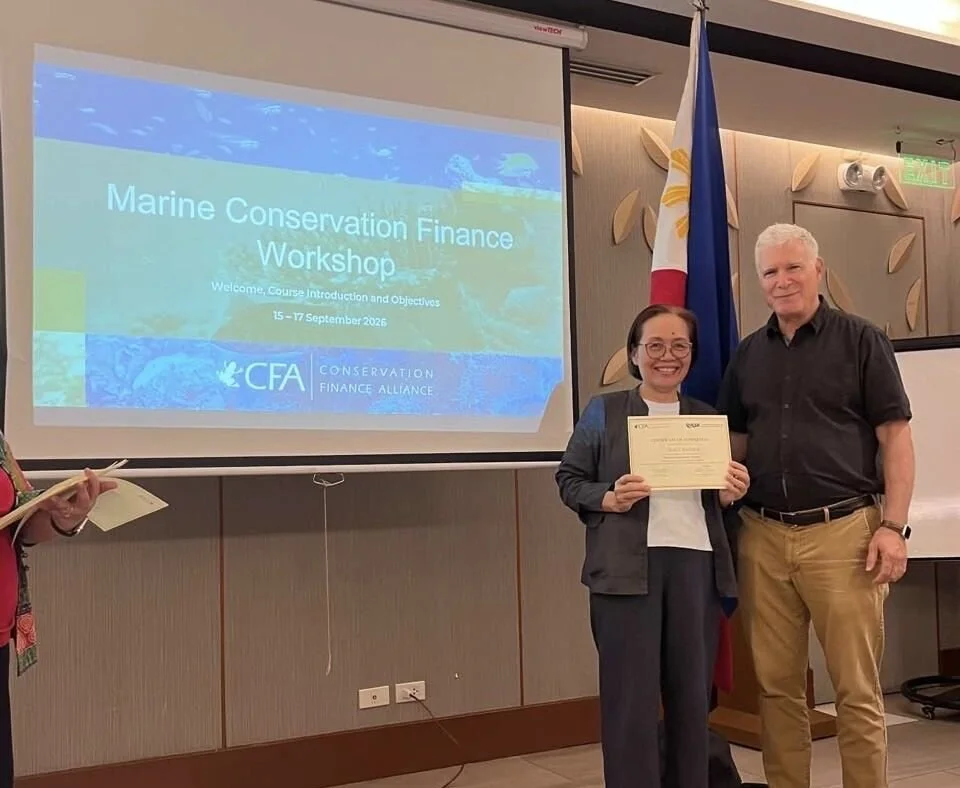
To help address this challenge, the Conservation Finance Alliance and UP MERF jointly held a Marine Conservation Finance Workshop from 15–17 September 2026 in Quezon City, Manila. Led by CFA Executive Director Dr. David Meyers and adapted from CFA/CSF’s Finance 4Nature short course, the workshop equipped practitioners with a shared framework and practical tools for securing reliable, long-term funding for marine protection. The CFA and partners are implemented this workshop as part of a multi-year program to support the Philippines in integrating finance to support achievement of their 30x30 ambitions with support from Bloomberg Ocean Fund.
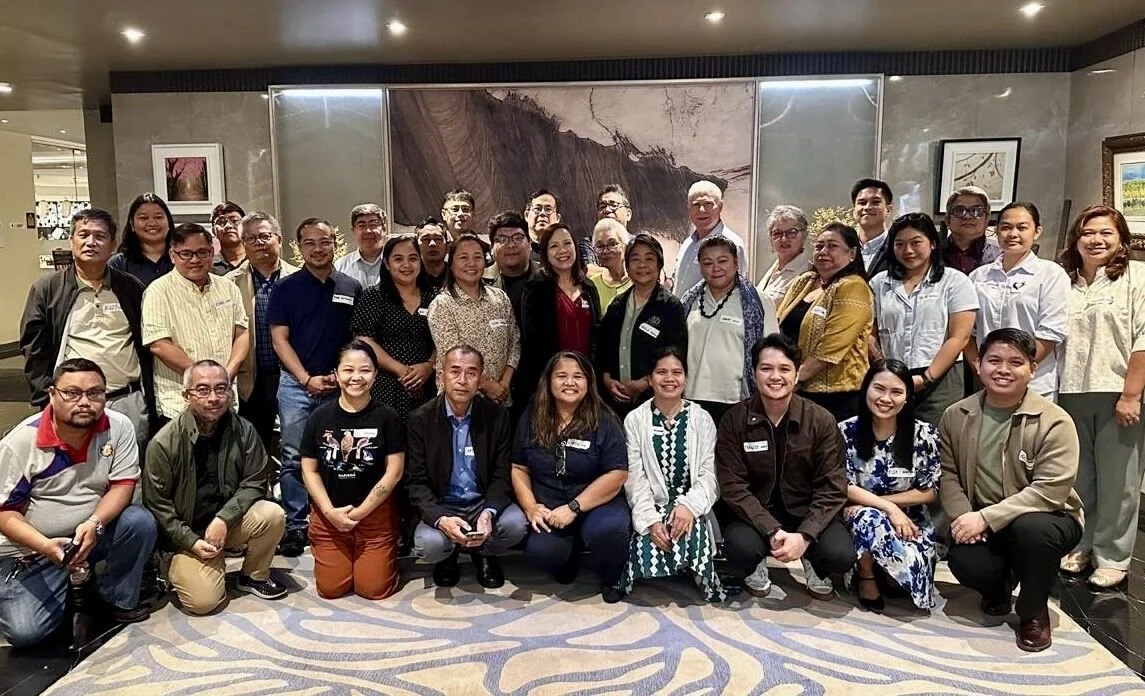
A cross-sector cohort
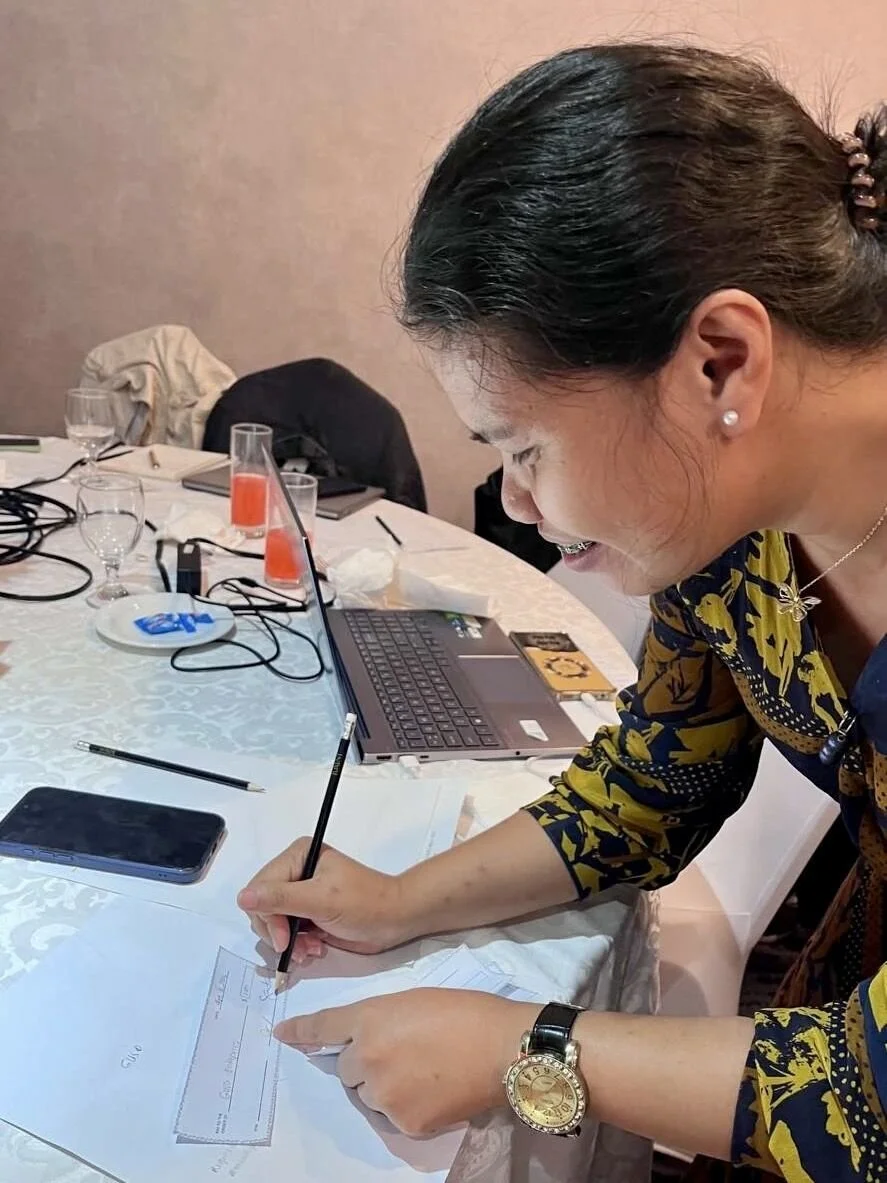
The workshop convened participants from national government, indigenous peoples' institutions, academia, and civil society, including DENR – Biodiversity Management Bureau, the Ocean Environment Task Force, Tubbataha Reefs Natural Park, the National Commission on Indigenous Peoples (NCIP), BIOFIN Philippines, Blue Alliance Marine Protected Areas, Wildlife Conservation Society Philippines, Conservation International Philippines, ASEAN ENMAPS, Forest Foundation Philippines, Haribon Foundation, Malampaya Foundation Inc., Oceana Philippines, the Philippine Association for Intercultural Development (PAFID), Rare Philippines, REECS, WWF Philippines, and Kaisahan.
Bringing policymakers, site managers, and practitioners together allowed discussions to draw directly on experience of what has and has not worked in financing marine protection across the country.
Program overview
Grounded in CFA's conservation finance taxonomy and the four guidelines of the IUCN WCPA Practice Guidance for Protected and Conserved Area Finance, the program guided participants through the full range of finance options available to MPCAs: economic instruments, including user and tourism fees, payments for ecosystem services, and blue carbon; public finance for nature, including national and local budgets, the roles of BFAR, BMB, and LGUs, and green fiscal policy; grants and other transfers from ODA and philanthropy, and conservation trust funds; businesses and markets, including conservation enterprises, sustainable fisheries value chains, and marine ecotourism; return-based instruments, including impact investment, blue bonds, and debt-for-nature swaps; and financial efficiency, risk management, and blended finance, including parametric reef insurance.
The workshop concluded with business and finance planning for MPCAs, where participants learned practical tools to identify, prioritize, and sequence a portfolio of finance solutions for specific marine sites and networks.
Key insights from the discussions
Participants' own experiences brought several themes to the fore.
Funding gaps at the local level are significant. Research shared from Surigao del Norte estimated that local government units need ₱50–60 million for coastal management, while some allocate as little as ₱400,000.
Site-based revenues are only part of the solution. Entrance and user fees typically cover 10–20% of protected area management costs, reinforcing the need for a diversified mix of public, private, and philanthropic sources.
Well-designed local mechanisms can endure. Participants described community-managed MPAs where clear fee-sharing arrangements among people's organizations, barangays, and municipalities have sustained enforcement and maintenance for more than 16 years.
Finance must reach communities. Participants highlighted how administrative layers, legal registration requirements, and reporting burdens can limit the flow of funds to local communities and indigenous peoples. Conservation trust funds and fiscal sponsorship arrangements were discussed as potential pathways.
"Take a rights-based approach to the design and implementation of finance mechanisms, with good governance and strong institutions. These go together." — Dr. David Meyers, Executive Director, Conservation Finance Alliance
Next steps
Participants now share a common language and framework for marine conservation finance. Building on the workshop, the cohort will continue learning together through site-based learning circles focused on business and finance planning for MPCAs and the implementation of finance solutions, strengthening an active community of practice across the Philippines.
CFA extends its sincere thanks to UP MERF for its partnership and to all participants for their engagement and generous exchange of experience.
To learn more about CFA's and CSF’s training programs and resources on protected and conserved area finance, visit Numbers for Nature Training Institute, the IUCN WCPA Practice Guidance for Protected and Conserved Area Finance, or contact training@conservation-strategy.org