By Tanja Havemann
Clarmondial
The CFA Incubator is a global program led by the Conservation Finance Alliance (CFA) that supports innovators developing new financial mechanisms to drive sustainable conservation impact.
In this edition of our “CFA Incubator: On the Move” blog series, we follow the journeys of Cohort 4 innovators as they test, develop and advance new finance solutions for nature. In this first story, Tanja Havemann, from Clarmondial, shares reflections from New York Climate Week, where she explored the potential of a landscape endowment to mobilize long-term financing for conservation and sustainable development in the Mt Kenya region.
Testing the Landscape Endowment in New York
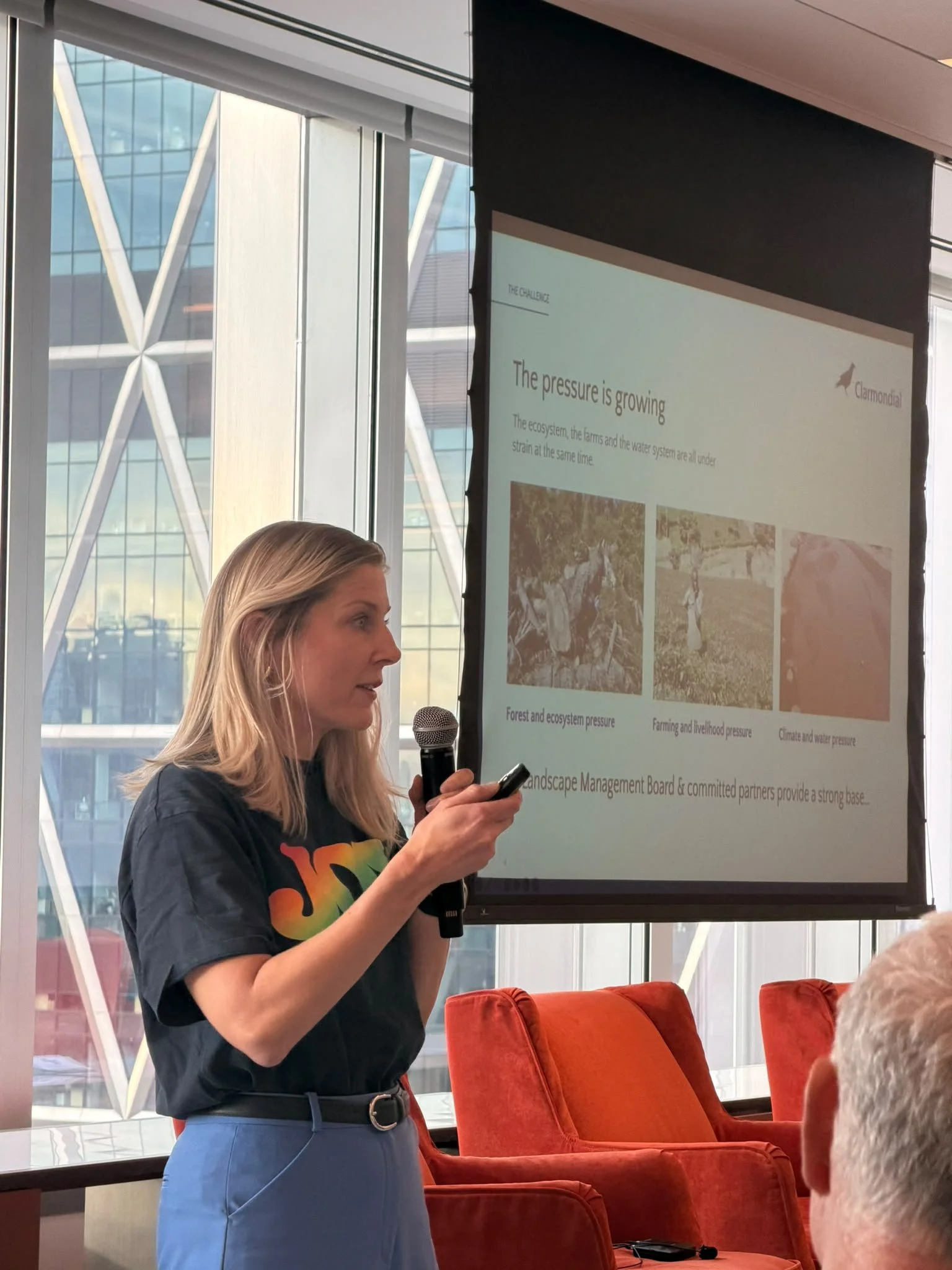
The Conservation Finance Alliance (CFA) gathered on the beautiful, but maniacally busy, Thursday afternoon of New York Climate Week (NYCW). Around 100 people from the public and private sectors came to hear about experiences, trends and emerging nature finance concepts. The vibe was, like all our interactions with the CFA community, collaborative and pragmatically hopeful. For us, as a CFA Incubator finalist, it was the right crowd to test a concept we've been noodling on for the past year or so.
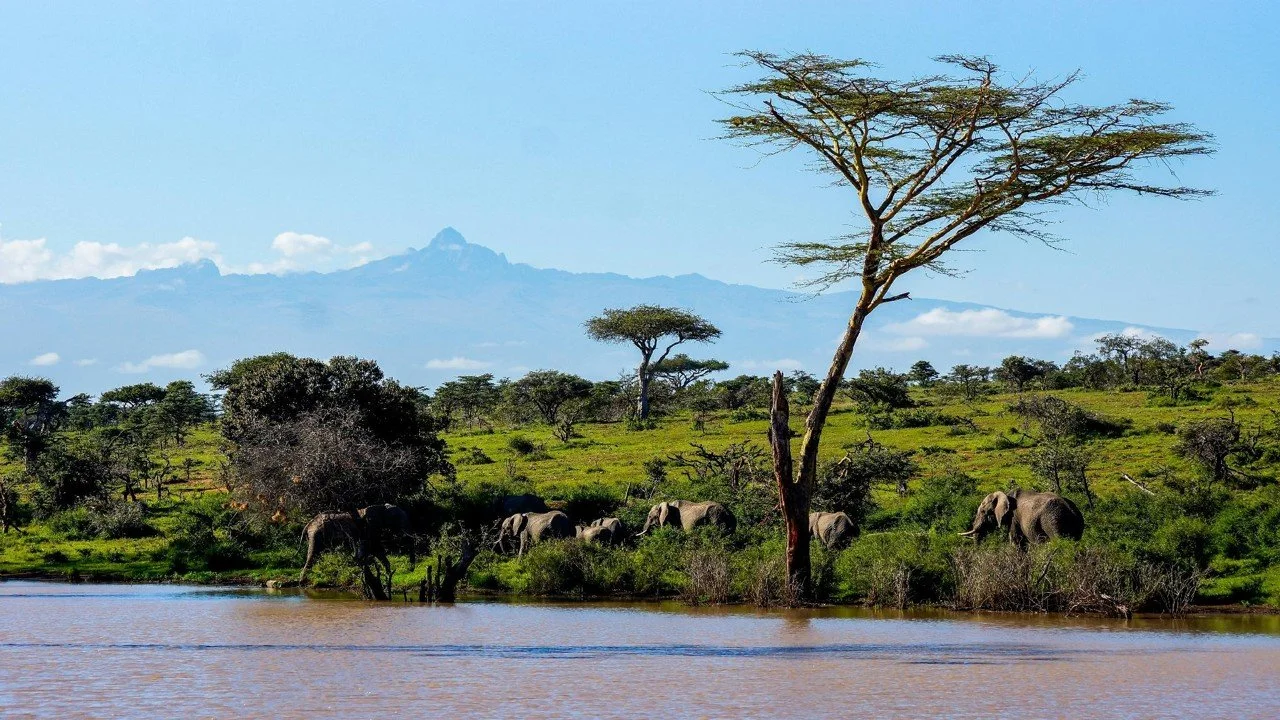
The concept is the landscape endowment. It builds on decades of work by endowed Conservation Trust Funds (CTFs), and on the leadership of local communities and Rainforest Alliance in the Mt Kenya region. Most CTFs work as grant-makers. A landscape endowment uses the same permanent capital as a balance sheet for one landscape. It can underwrite guarantees, hold insurance reserves and fund Payments for Ecosystem Services (PES) to local land stewards. That suits places like Mt Kenya, where local communities and businesses need modest but long-term funding, and a mix of grants, guarantees and investment to meet economic and environmental goals. Local engagement runs through the Mt Kenya Landscape Management Board (LMB), created by Rainforest Alliance. Both are valued partners on this journey.
Across the presentations, one theme kept coming up: localizing and right-sizing funding. Examples ranged from direct cash transfers to communities for conservation actions to "green" credit for MSMEs that mainstream finance largely ignores. There seems to be a groundswell of interest in funding that is very long-term, stable, community-led and grounded in the "real" local economy. That matches our own research. It points to a network of local endowments, working with agribusinesses and financial service providers, as a potential avenue to fund landscapes that could be effective and efficient. There is a lot of focus on putting nature on the balance sheet. We think more could be done with the balance sheets of organizations whose mandate is already focused on nature.
We ran out of time before we could speak with everyone who wanted to discuss the concept. Several groups offered to collaborate in Kenya and beyond, including current peers in the CFA Incubator and previous awardees. It was especially useful to hear from people who have worked on CTFs far longer than we have, and to learn that our suggestions to the traditional model resonate. That included large global conservation organizations, philanthropists and private sector companies. Getting feedback from experts in the CFA network has been encouraging.
What's next? We are finalizing the working model and concept for the Mt Kenya landscape endowment and wrapping up a study of 81 CTFs. New York strengthened our conviction in the Mt Kenya landscape endowment, and in building a network of partners who believe it's time to grow the number of nature-focused endowments, along with the tools, governance and service providers that can make them more effective. We have started talking to strategic funders and allies about the next phase, both on Mt Kenya and more broadly. This month we meet in our "home" landscape of Mt Kenya with the LMB and other partners to agree on the next steps.
Thank you, CFA.