

Conservation Finance Alliance (CFA) Incubator
Round 4 Cohort
After a rigorous, multi-stage review process, we are thrilled to welcome 16 projects to our 2026 cohort. Eight projects will receive grants of $25,000, while all projects will benefit from mentorship, technical assistance, and global exposure through CFA’s network. This fourth round of the CFA Incubator is being supported by Milkywire’s Nature Transformation Fund, in collaboration with Klarna, and thanks to additional support from BNP Paribas, Conservation International Ventures LLC, the Conservation Strategy Fund, Outrigger Impact, and Morrison Foerster. We are pleased to share the initial information on CFA Incubator Cohort 4 below - see further down for more detailed descriptions.
Announcing Cohort 4 of the CFA Incubator
Selected for Grant Funding and Incubation:
Innovating for Water and Nature: A Collaborative Trust for a Resilient Mendoza Basin. A finance vehicle to blend public, corporate and concessional capital from water users and impact investors that supports wetland restoration, invasive-species control and irrigation efficiency at the watershed scale for the Mendoza River basin of Argentina. Team: Rodrigo Rodriguez Tornquist, Carlos Amanquez, Eitan Salischiker, Giselle Cohen, Magdalena De Lucca, Brenda Steffanowski, Agustin Matteri, and Giselle Quintenla of Asociación Sustentar and Lia Martinez of the Mendoza River Water Fund.
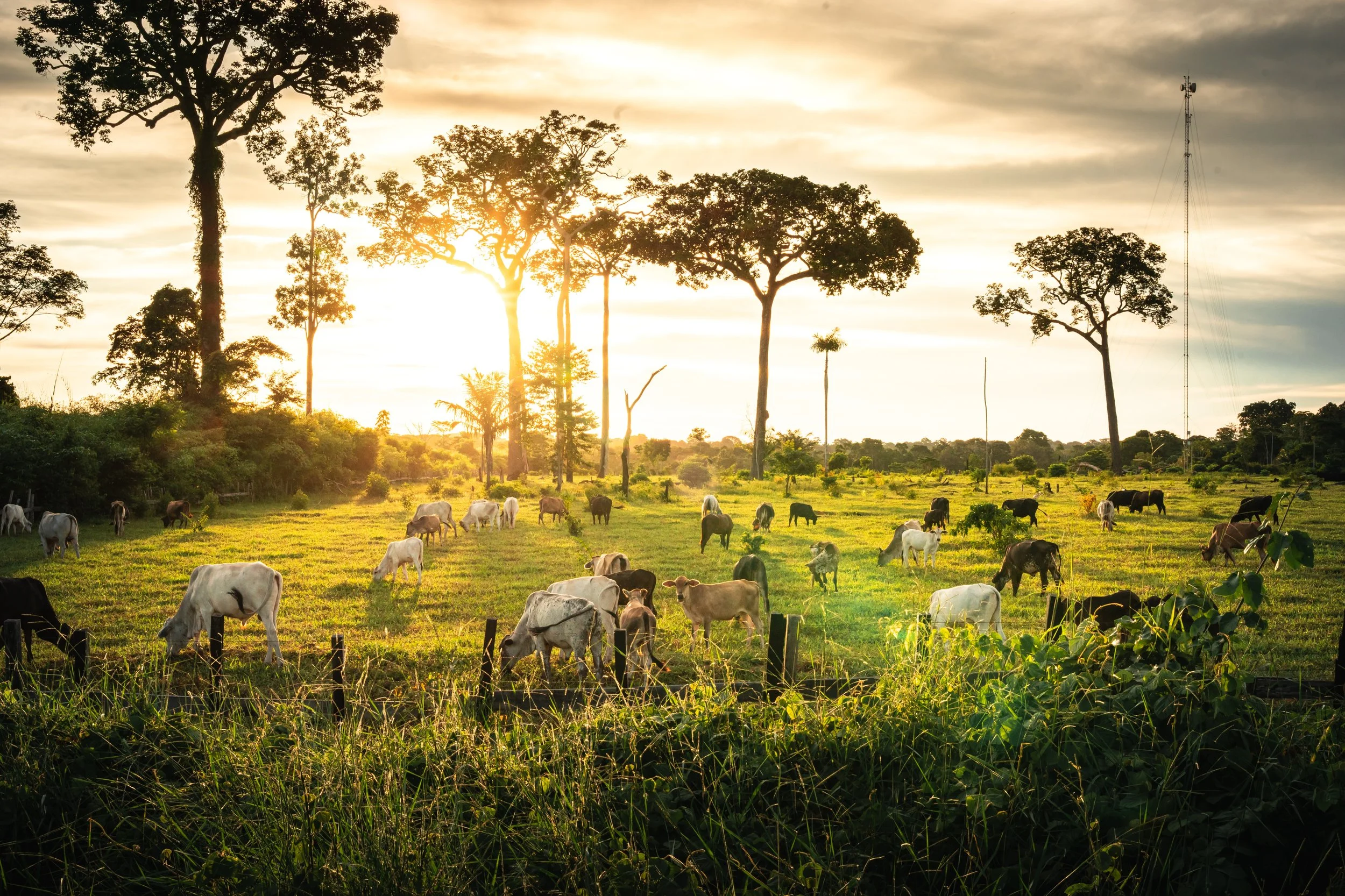
A Sustainable Financial Mechanism for Regenerative Livestock Farming in the Peruvian Amazon. A microfinance product tailored to regenerative cattle ranching producers in Madre de Dios, Peru. Team: Jery Mori Vela and Martin Sanabria of the Peruvian Federation of Municipal Savings and Credit Banks (FEPCMAC) and Claudia Yep, Santiago Castillo, and Karina Salas of the World Wide Fund for Nature (WWF) Peru.
Nature-Positive Power: A Habitat Banking Mechanism for South Africa's Renewable Energy Transition. Piloting new spatial optimization and finance tools that guide renewable energy development and biodiversity offsets to deliver the greatest conservation impact in Mpumalanga, South Africa. Team: Hannah de Villiers, Kish Chetty, Gill Baker, Neha Kooverjee, and Oliver Cowan of Endangered Wildlife Trust.
Salmon Biocultural Credit. A place-based, measurable, culturally grounded credit tied to improvements in watershed health and salmonid recovery. The credit is backed by transparent reporting and hybrid verification that blends community knowledge with ecological indicators and will be piloted in the Russian River of the United States and the Upper Columbia River Basin of Canada. Team: Cheryl Chen of Salmon Returns.
Guardians of Earth. A market-based conservation finance mechanism with minimal barriers to entry that enables communities to earn income for verified biodiversity monitoring, restoration, and cultural stewardship. Team: Dr. Mallika Reddy Robinson and Andrew Robinson of Earth Guardians.
Community Conservation Bank (COCOBA) Digital Platform. A digital platform to enhance Village Banking models that links microfinance to conservation livelihoods by integrating digitization, data analytics, and markets to enhance transparency, unlock financial inclusion, and create a verifiable value proposition for conservation in Zambia's wildlife landscapes. Team: Stellah Mutale, Jassiel M'soka, Nkula Goma, Doreen Muleya, Mwewa Katongo, Kevin Chilemu, and Suki Mwale of Growth Innovation and Development Services (GIDS).
Climate Commons Fund. An investment fund, inspired by sovereign wealth funds in Alaska, Brazil and the Marshall Islands, that uses its returns to pay a universal 'Climate Dividend' to entire populations in specific conservation zones. Team: Patrick Brown, George Matu Mureithi, and Tomas Paes de Carvalho of Equal Right.
Mount Kenya Landscape Endowment. A locally anchored finance mechanism that converts long-term capital into predictable annual resources, including community micro-grants, credit guarantees for micro, small and medium enterprises, and performance-based incentives for regenerative agriculture and biodiversity protection in Mount Kenya. Team: Tanja Havemann, Herbert Hatanga, and Julia Langenegger of Clarmondial AG.
Selected for Incubation:
Taskforce on Nature-related Financial Disclosures (TNFD)-aligned Nature Based Solutions (NbS) Financing Mechanism. A finance mechanism that interprets TNFD results, recommends tailored NbS in priority locations, and connects companies with qualified local implementation partners. Team: Hyeonju Ryu of DataTalks and Sara Kim of Scalable Natures.
Bonobo Credits for Local Communities. A bonobo (Pan paniscus) focused biodiversity credit consisting of direct payments to the Lisoko community as active custodians of bonobos and other protected megafauna and their habitat in Tshuapa Province, Democratic Republic of Congo. Team: Jef Dupain, Valentin Omasombo, and Donny Phillips of the Antwerp Zoo Foundation (Royal Zoological Society of Antwerp, Belgium).
Nest & Canopy - Private Wealth Pathways for Nature-Positive Impact. A framework for European ultra-high-net-worth families to align wealth with ecological impact through education, tailored financial tools, and a peer syndicate model, blending grants, catalytic capital, and return-seeking investments with next-generation engagement and community-led governance. Team: Philipp Staudacher of Innovate 4 Nature.
Mana Blue Planet Fund. A new investment fund to support nature-positive small and medium enterprises and nature conservation projects through loans with flexible debt terms and risk management / return enhancement tools. Team: Patricia Chu, Soeren Petersen, and Julian Johanes of Mana Impact.
Okavango Venture Club for Nature. Mobilizing mission-aligned capital through a disciplined, deal-by-deal platform that supports high-impact conservation ventures with strong commercial potential. The Venture Club provides investors access to a curated pipeline while delivering due diligence, ESG integration, technical assistance and flexible capital structuring to de-risk investments. Team: Josep Oriol and Caroline Chepkwony of Okavango Capital Partners.
Lion Bond: Outcome-Based Finance for Human-Wildlife Coexistence. An outcome-based conservation finance mechanism designed to transform human-wildlife conflict into coexistence through direct conditional payments for wildlife-friendly behaviours to pastoralist communities in Tanzania’s Selous-Nyerere landscape. Team: Francois Barnard and Matt Rogan of Natural State; Amy Dickman, Harrison Carter, Matthew Wijers, and Andrew Loveridge of the Wildlife Conservation Research Unit (WildCru); Alayne Cotterill of Lion Landscapes; and Carlo Pasqua.
Nature-Positive Landscapes in Malaysia Outcomes-Based Financing. A scalable outcomes-based financing facility to mobilise private capital for restoring Borneo’s ecological corridors, channeling corporate investment towards measurable climate, biodiversity, and social outcomes and supporting corporations in meeting emission and sustainability targets. Team: Fatin Zani, Divyaasiny R Rajaghantham, Zurinah Yaakop, Robecca Jumin, Cheryl Cheah, Cynthia Chin, Esther Mawan, and Hui Shim Tan of the World Wide Fund for Nature (WWF) Malaysia.
A Nature-Positive, Inclusive Finance System for Community-Led Management in Mongolia. Expanding herder-run green credit unions as platforms for nature-positive financial innovation and inclusion, enhancing livelihoods for up to 10,000 herder families, improving grassland management across up to 4.8 million hectares and building resilient communities. Team: Tuguldur Enkhtsetseg, Oyunchimeg Togoodorj, and Ochirmunkh Boldbaatar of The Nature Conservancy Mongolia.
These projects showcase bold thinking where finance meets nature. Together, they reflect the growing momentum in conservation finance, and we look forward to supporting their progress and championing their insights with our broader global network in the year ahead.
The Incubation period will run from April through January 2027, offering tailored support and mentorship to advance these ideas towards implementation. The CFA Incubator will hold a series of webinars presenting these ideas over the course of the incubation and will host presentations at global conferences.
This year’s open call for proposals attracted 235 applications from 93 countries, reflecting a global interest in conservation finance innovation. Proposals were received from every major region, and approximately 34% of proposals were led by women, signaling encouraging trends in inclusion and diversity across the sector.
Cohort 4 Project Descriptions
Selected for Grant Funding and Incubation:
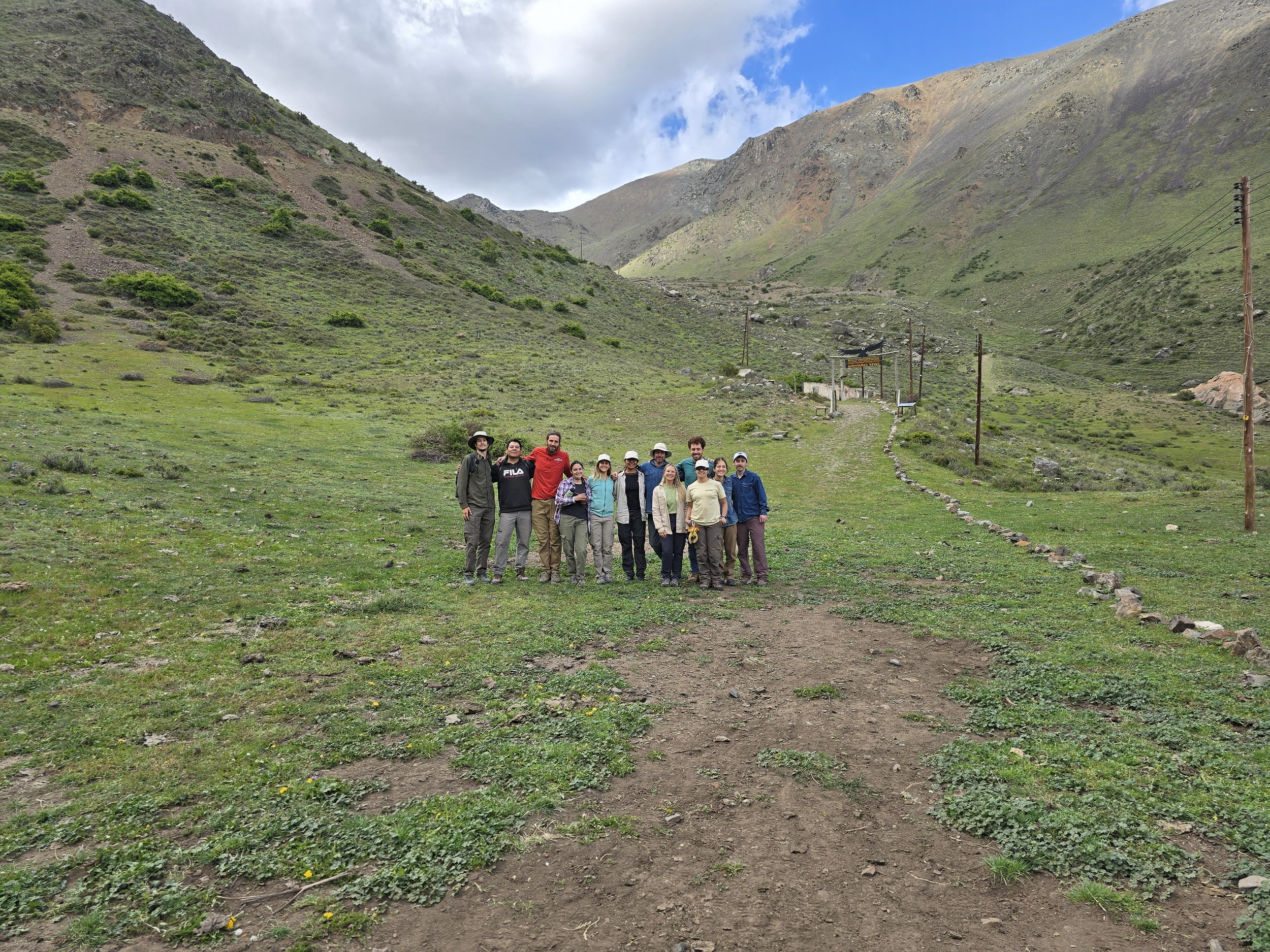
Innovating for Water and Nature: A Collaborative Trust for a Resilient Mendoza Basin
Team: Rodrigo Rodriguez Tornquist, Carlos Amanquez, Eitan Salischiker, Giselle Cohen, Magdalena De Lucca, Brenda Steffanowski, Agustin Matteri, and Giselle Quintenla of Asociación Sustentar and Lia Martinez of the Mendoza River Water Fund


The Mendoza River basin, lifeline of Argentina’s wine region, faces severe over-allocation of water, wetland loss, ecosystem degradation and rising climate risk for more than one million people and key productive sectors. Our concept is an innovative conservation finance mechanism: a Hydrological and Ecosystem Services Trust anchored in the multi-stakeholder Mendoza River Water Fund. The Trust blends public, corporate and concessional capital from water users and impact investors into a single vehicle that finances wetland restoration, invasive-species control and irrigation efficiency at the watershed scale. A robust MRV system links financial flows to measurable hydrological and ecological outcomes, enabling the future issuance of ecosystem-service certificates and the tokenisation of trust participation units under Argentina’s new capital-market rules.
“Being selected by the CFA Incubator is a recognition of the technical, territorial, and institutional work we have been building in the Mendoza River Basin for years. This process will allow us to take a strategic leap: moving from a solid agenda of restoration and water security toward the design of a financial instrument that connects investment with measurable environmental outcomes and enables the sustained scaling of nature-based solutions”
“This recognition confirms that there is strong interest in designing innovative and scalable financial solutions to address the water, climate, and ecosystem crises. Participating in the incubator provides us with a strategic opportunity to consolidate a pioneering instrument in the region, capable of mobilizing investment toward nature and becoming a replicable reference for other river basins across Latin America.”
A Sustainable Finance Mechanism for Regenerative Livestock Farming in the Peruvian Amazon
Team: Jery Mori Vela and Martin Sanabria of the Peruvian Federation of Municipal Savings and Credit Banks (FEPCMAC) and Claudia Yep, Santiago Castillo, and Karina Salas of the World Wide Fund for Nature (WWF) Peru


Extensive cattle ranching is the main driver of deforestation in the Peruvian Amazon, responsible for the loss of an estimated 800 thousand hectares of forest between 2017 and 2021 (WWF, 2024). In response to this challenge, regenerative cattle ranching is a necessary alternative that increases productivity on previously deforested land, reduces pressure on remaining forests, and generates benefits for biodiversity and rural livelihoods. In this context, FEPCMAC, the national association of microfinance institutions, will design a microfinance product specifically tailored to regenerative cattle ranching producers in Madre de Dios, Peru. The project will assess the economic feasibility of the model, validate its financial and environmental assumptions, and define a roadmap for scaling and long-term financial sustainability.
“The Federación Peruana de Cajas Municipales de Ahorro y Crédito (FEPCMAC) is glad to have being selected as part of the CFA Incubator Program 2026. CFA will play a crucial role in the incubation of a microcredit program related to regenerative cattle ranching (RCR). RCR is a powerful Nature-based Solution (NbS) that aims to mitigate the expansion of deforestation in the Amazon and at the same time it supports the livelihoods of ranching communities in the Madre de Dios region, Peru.”
“FEPCMAC and World Wildlife Fund (WWF) have a partnership that involves the co-design of financial mechanisms to mobilize microfinancing for Nature-based Solutions (NbS) and this project will contribute to the first financial mechanism developed by both entities”
Nature-Positive Power: A Habitat Banking Mechanism for South Africa's Renewable Energy Transition
Team: Hannah de Villiers, Kish Chetty, Gill Baker, Neha Kooverjee, and Oliver Cowan of the Endangered Wildlife Trust

South Africa’s renewable energy transition is accelerating and will require vast areas of land. This will put significant biodiversity at risk unless energy development is strategically planned and offset at scale through an ambitious, systemic intervention. The Endangered Wildlife Trust (EWT) has developed a deployment-ready, national spatial optimization tool that maps where renewable energy should proceed, guides avoidance and identifies where offsets deliver the greatest conservation impact. The tool forms the foundation of our Renewable Habitat Bank (RHB): a mechanism that proactively secures priority habitat aligned with energy corridors, streamlines permitting, and delivers high-integrity biodiversity outcomes unlike ad-hoc offset practices. The RHB will be piloted in Mpumalanga where the EWT will focus on establishing the enabling conditions in one of South Africa’s priority renewable energy expansion regions. The enabling conditions include co-designing a government-led biodiversity offset credit register and finalizing governance and monitoring protocols. The project will create an investable financing blueprint for private and blended capital that will enable scalable protected area expansion and a nature-positive energy transition.
Website: https://ewt.org/
Salmon Biocultural Credit
Team: Cheryl Chen of Salmon Returns

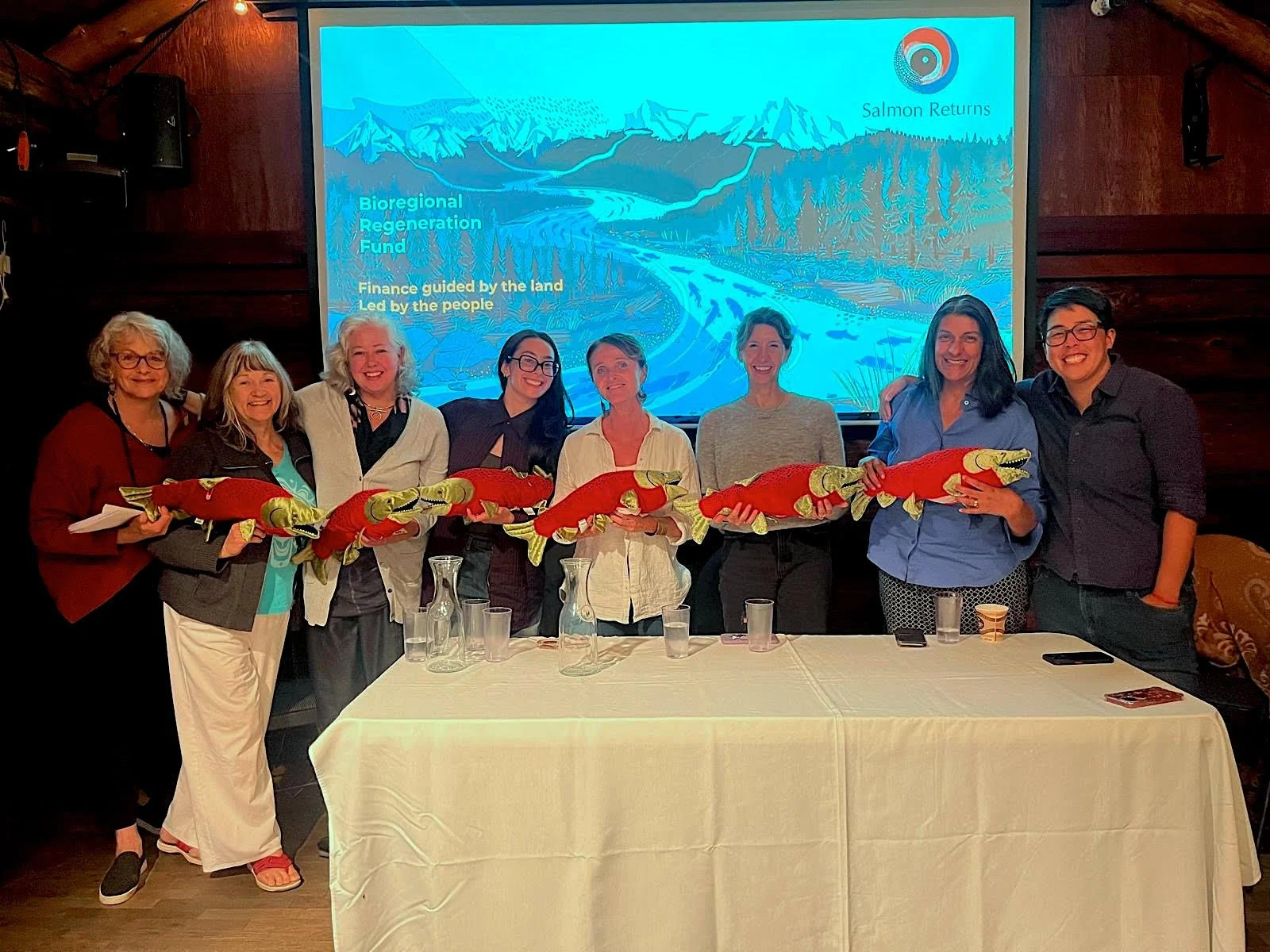
The Salmon Biocultural Credit (SBC) is a conservation finance mechanism that moves capital to verified, Indigenous- and community-led watershed stewardship in salmon-bearing landscapes. Holistic watershed restoration depends on sustained intergenerational stewardship capacity - monitoring, restoration crews, riparian repair, water retention, habitat connectivity, and locally legitimate governance. However, funding is often fragmented and short-term and rarely supports the full portfolio needed to restore watershed function and salmon recovery. The SBC solves this persistent funding gap by providing a durable, place-based pathway for ongoing support. The SBC is a place-based, measurable, culturally grounded credit tied to improvements in watershed health and salmonid recovery, backed by transparent reporting and hybrid verification that blends community knowledge with ecological indicators. Salmon Returns are in the early stages of piloting in two locations - Russian River (United States) and Upper Columbia River Basin (Canada) - to demonstrate broad reach and unite diverse partners around the plurality of activities needed for sustainable watershed recovery.
“We’re honored to join the CFA Incubator and advance the Salmon Biocultural Credit. Our aim is to build practical financial infrastructure that sustains long-term stewardship of the healthy watersheds we all rely on. We look forward to learning alongside the cohort and strengthening this approach with CFA’s support.”
Website: http://www.salmonreturns.com
Guardians of Earth
Team: Dr. Mallika Reddy Robinson and Andrew Robinson of Earth Guardians

The world’s richest biodiversity exists in its poorest regions, yet the vast majority of annual conservation finance flows largely bypass communities stewarding these ecosystems. Without income pathways for these stewards, extraction remains more rational than preservation. Existing conservation finance mechanisms (CFM) often require land ownership, have high entry costs, and upfront capital. Guardians of Earth addresses this system failure by creating BioCultural Units (BCUs) - a market-based CFM with minimal barriers to entry that enables communities to earn income for verified biodiversity monitoring, restoration, and cultural stewardship. Critically, a minimum of 30% of all BCU revenue is ring-fenced for verified, on-ground ecosystem regeneration within the monitored area, ensuring direct conservation action alongside monitoring. Transparent verification enables auditable biodiversity outcomes while directing a majority of funds to local stewards. The platform is already supporting community-led monitoring across multiple regions, translating conservation work into sustained, investable conservation finance. Next steps include expanding pilots, validating pricing, and establishing global BCU registry standards.
“Seven years of protocol development, active pilots across five continents, and deep collaboration with communities in Australasia, Latin America, and South Asia have helped us refine this model from the ground up. Joining the CFA Incubator at this moment - just as we move from a proven prototype to scalable conservation-finance infrastructure - feels exactly right.”
Website: guardiansofearth.io
Community Conservation Bank (COCOBA) Digital Platform
Team: Stella Mutale, Jassiel M'soka, Nkula Goma, Doreen Muleya, Mwewa Katongo, Kevin Chilemu, and Suki Mwale of Growth Innovation and Development Services (GIDS)

The COCOBA Digital Platform is an innovative intervention designed to address systemic livelihood and conservation challenges in Zambia's wildlife landscapes. It builds upon the Community Conservation Bank (COCOBA) model: a specialized Village Banking model that explicitly links microfinance to conservation-compatible livelihoods. While effective, traditional COCOBAs face limitations in governance, scale, and access to capital markets. The proposed digital platform integrates transactional digitization, data analytics, and market linkages to enhance transparency, unlock financial inclusion, and create a verifiable value proposition for conservation. By transforming COCOBAs into efficient nodes in a connected network, the platform offers a scalable pathway to bridge community agency with formal finance and global conservation investment, fostering a sustainable and equitable model where biodiversity conservation directly underpins local economic resilience.
“Growth Innovation and Development Services (GIDS) is honored to join the CFA Incubator Program. Being selected among a highly competitive global cohort is both a validation of our vision and an important opportunity to accelerate locally driven conservation finance solutions. Our objective is to connect community stewardship of natural resources with credible financing pathways that support both ecosystem protection and resilient rural livelihoods.We look forward to collaborating with the CFA community to scale sustainable impact”
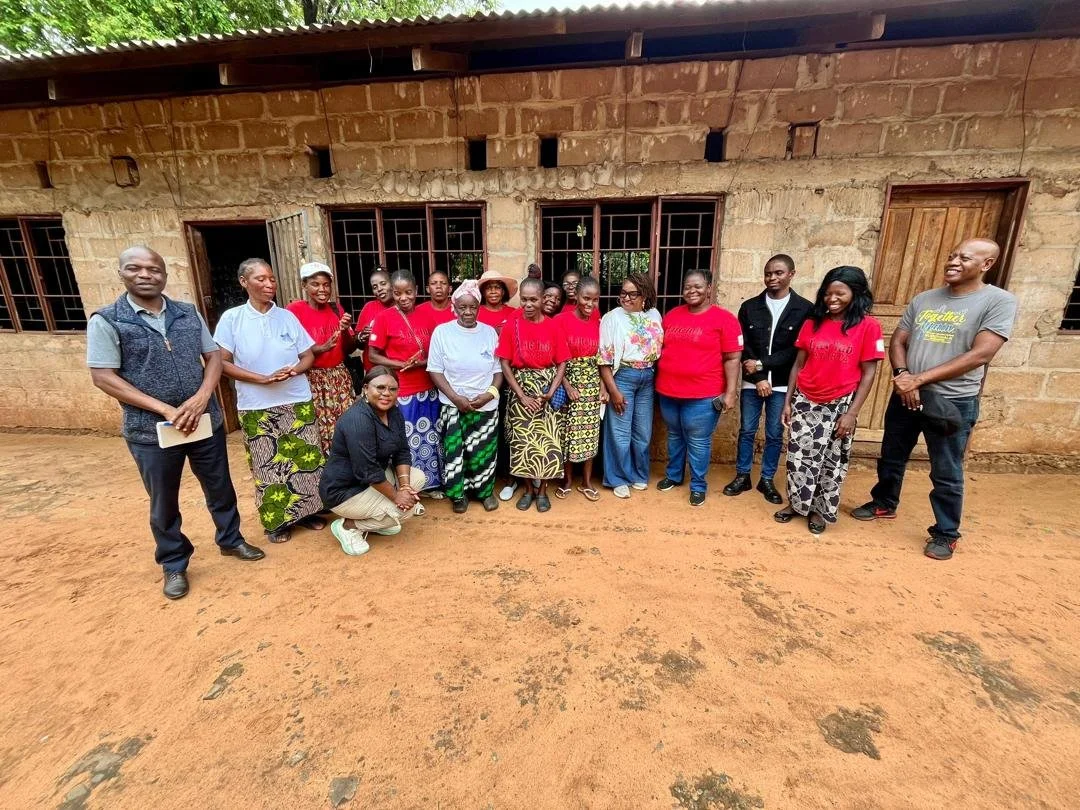
GIDS team providing technical support to REACH ALL and LIT Women’s groups in Livingstone.
Website: https://gids.co.zm/
Climate Commons Fund
Team: Patrick Brown, George Matu Mureithi, and Tomas Paes de Carvalho of Equal Right

The Climate Commons Fund is an investment fund, inspired by sovereign wealth funds in Alaska, Brazil and the Marshall Islands, that uses its returns to pay a universal 'Climate Dividend' to entire populations in specific conservation zones. Following an initial 2-year unconditional cash transfer (UCT), the Climate Dividend is a collective incentive indexed to ecological performance at landscape level, rather than individual behaviour. This enables an equitable distribution of conservation benefits while devolving wealth and power to the local level, providing a financial vehicle for communities to crowd in and distribute other revenue.
“We are delighted to be selected as one of the funded projects in Round 4 of the Conservation Finance Alliance Incubator. The Climate Commons Fund is an innovative conservation finance mechanism being piloted with Il Ngwesi Community Conservancy in Laikipia, Kenya, that combines unconditional lump sum cash transfers with the establishment of a permanent, community-owned endowment fund. ”
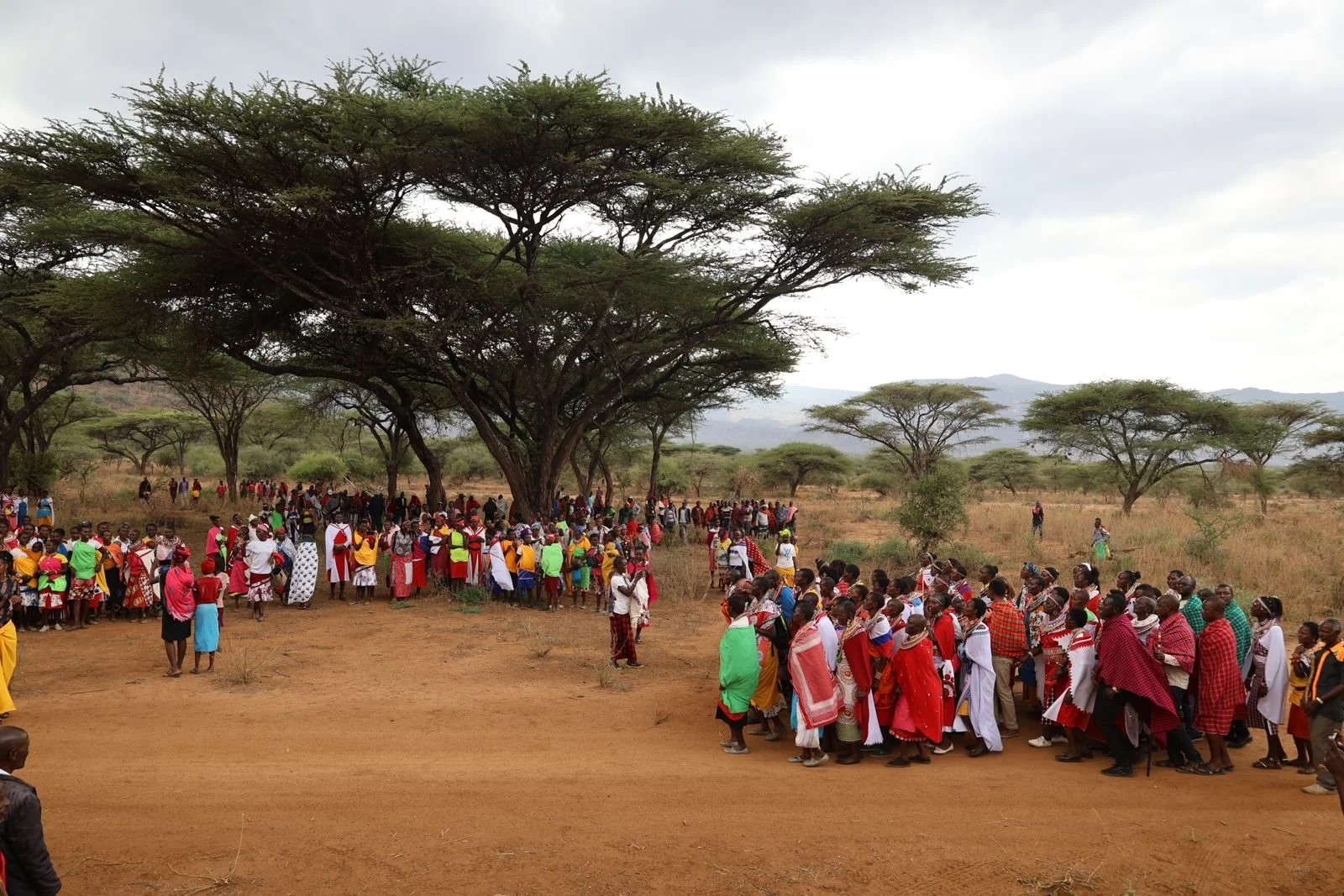
“By generating ongoing ‘Conservation Dividends’ and creating a vehicle to attract blended climate finance revenues, the Fund offers a replicable, justice-centred model for getting conservation finance directly to the people who steward natural landscapes. We look forward to working with the CFA Incubator’s global network of experts to strengthen our financial model, sharpen our implementation roadmap, and position the Climate Commons Fund as a scalable solution to one of conservation finance’s most persistent challenges: ensuring that the communities bearing the costs of conservation are also its direct and equitable beneficiaries.”
Mount Kenya Landscape Endowment
Team: Tanja Havemann, Herbert Hatanga, and Julia Langenegger of Clarmondial AG

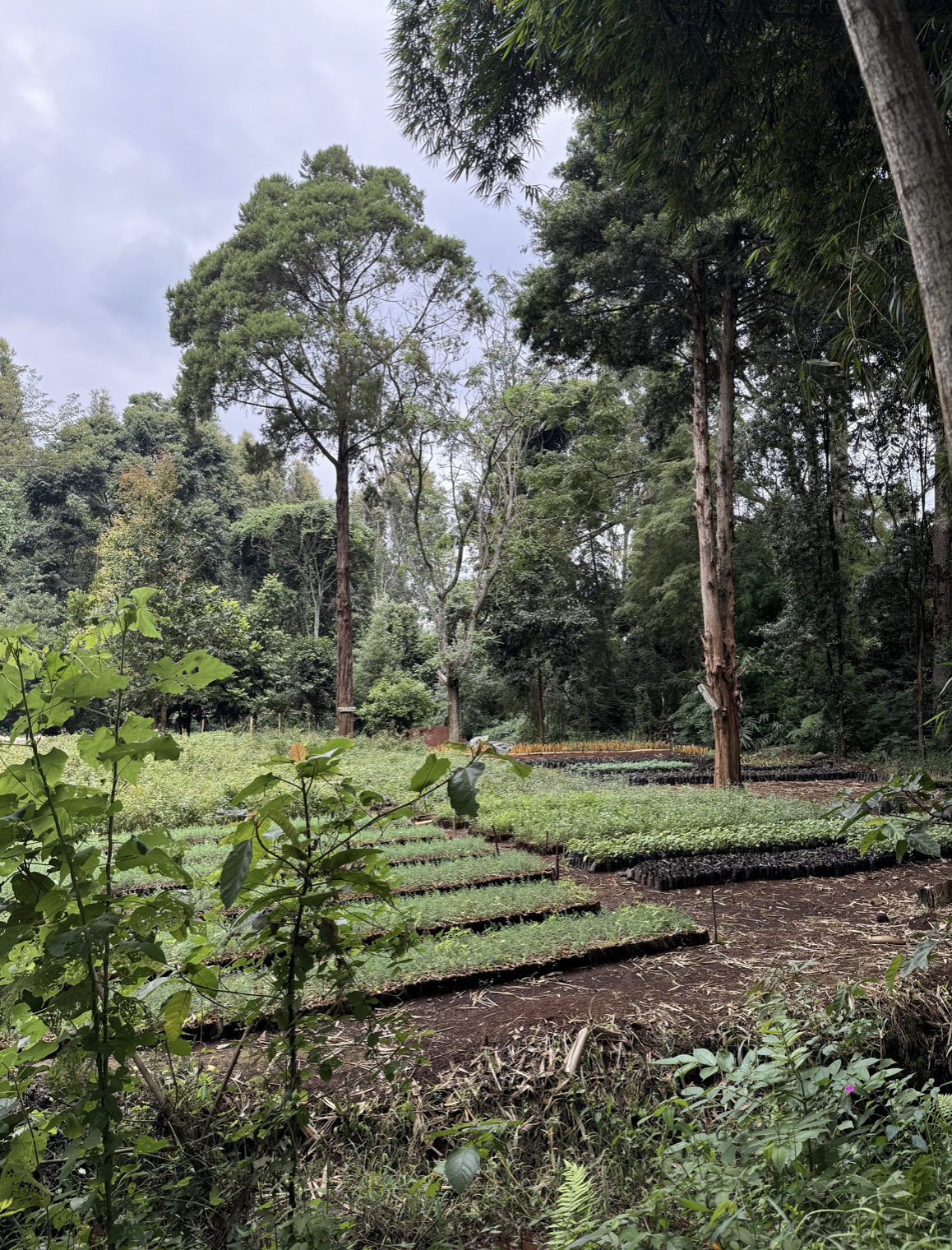
Mount Kenya is a globally significant biodiversity hotspot and water tower that sustains millions of smallholders and key agricultural value chains. Yet land degradation, fragmented finance, and short-term donor cycles limit long-term conservation and climate resilience. This project will develop the Mount Kenya Landscape Endowment, a locally anchored financing mechanism that converts long-term capital into predictable annual resources. Investment returns will fund community micro-grants, credit guarantees for micro, small, and medium enterprises (MSMEs), and performance-based incentives for regenerative agriculture and biodiversity protection. Co-developed with the Mount Kenya Landscape Management Board, conservation partners, financial institutions, and value-chain actors, the Endowment strengthens governance, financial inclusion, and measurable climate, nature, and livelihood outcomes.
“Clarmondial is delighted that the Mt Kenya Landscape Endowment initiative has been selected for the CFA Incubator. The initiative will help advance the concept of Landscape Endowments as an innovative, long-term funding mechanism designed to support local landscape stewards and strengthen ecosystem stewardship. Working closely with stakeholders and partners in the Mt Kenya landscape, we look forward to further refining this approach and demonstrating how Landscape Endowments can become a scalable and replicable financing solution for landscapes globally.”
Selected for Incubation:
Taskforce on Nature-related Financial Disclosures (TNFD)-aligned Nature Based Solutions (NbS) Financing Mechanism
Team: Hyeonju Ryu of DataTalks and Sara Kim of Scalable Natures


Over 80% of current funding for nature comes from public and philanthropic sources that will struggle to address the estimated nature financing gap of over US $700 billion annually. This leaves NGOs and communities underfunded while companies struggle to convert TNFD assessments and learning into credible, high-integrity nature investments. The combination of increased disclosure and increasing greenwashing risks, companies need a practical way to identify material, location-specific nature based solutions (NbS) opportunities that deliver real and well documented impact. Scalable Natures is a TNFD-aligned NbS finance mechanism that interprets TNFD results, recommends tailored NbS in priority locations, and connects companies with qualified local implementation partners. This channels private finance into material conservation projects and supports measurable outcomes aligned with the science based targets network (SBTN). The project will develop the core data architecture, build a minimum viable product, and pilot the platform in South Korea, laying the foundation to scale across sectors, expand global NbS partner networks, and establish a replicable financing pathway for corporate nature action.
“Private sector finance for nature remains largely untapped. As corporate nature risk professionals from South Korea, we are excited and privileged to join the CFA Incubator — and ready to change that”
More information: DataTalks
Bonobo Credits for Local Communities
Team: Jef Dupain, Valentin Omasombo, and Donny Phillips of the Antwerp Zoo Foundation (Royal Zoological Society of Antwerp, Belgium)


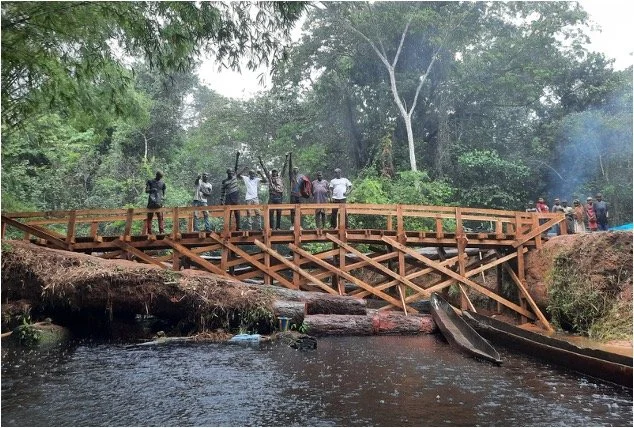
A bonobo (Pan paniscus) focused biodiversity credit pilot project has been developed and gradually implemented with the local community of Lisoko (Tshuapa Province, Democratic Republic of Congo - DRC) since 2022. This project consists of direct payments to the local community as active custodians of bonobos and other protected megafauna and their habitat. In collaboration with the Congolese Institute for Nature Conservation (ICCN), the Antwerp Zoo Foundation (AZF) is mandated to further develop this initiative as a potential blueprint for large-scale implementation. Several gaps will be addressed during incubation: development of verifiable success indicators and a monitoring, reporting, and verification (MRV) methodology based on citizen science, a legal framework that ensures custodianship of wildlife for the local communities and Indigenous people on all their land, and transparent governance and financial structuring. This approach will be designed and implemented in accordance with the high-integrity biodiversity credit market principles, tailored to DRC’s strengths and challenges.
“The Antwerp Zoo Foundation is excited about this opportunity to benefit from a tailored mentorship and technical support from the CFA Incubator team to help progressing with our megafauna species specific biodiversity credit program that is being implemented in the Democratic Republic of Congo. This support will contribute to further development of this pilot project as a blueprint for application throughout the green corridor, a Presidential initiative that seeks to improve conservation of the emblematic DRC fauna by considering local communities as the active custodians of their biodiversity.”
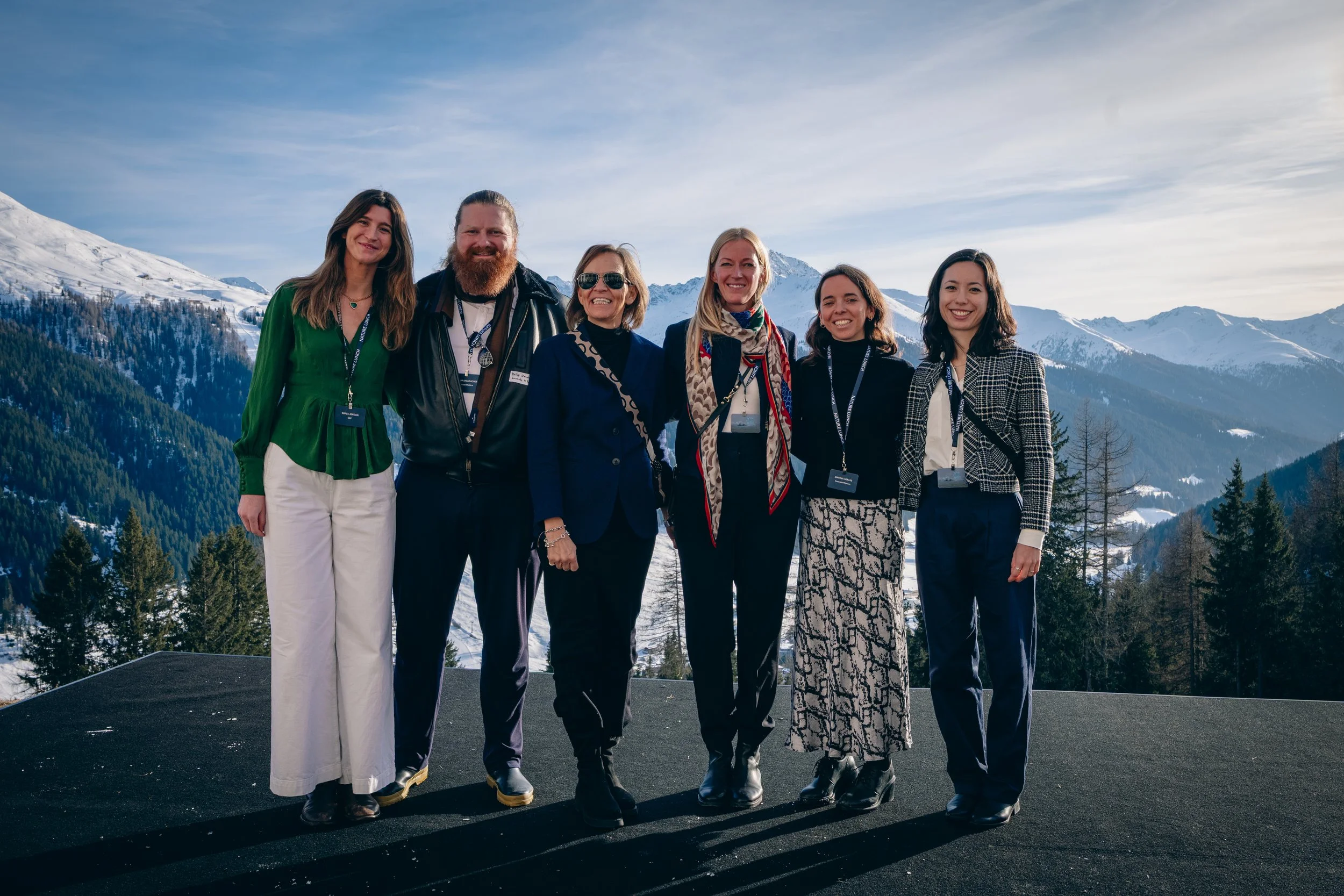
Nest & Canopy - Private Wealth Pathways for Nature-Positive Impact
Team: Philipp Staudacher of Innovate 4 Nature

Families hold the power to regenerate nature, but lack trusted pathways. Nest & Canopy creates a clear framework for European ultra-high-net-worth families to align wealth with ecological impact through education, tailored financial tools, and a peer syndicate model. Our approach blends grants, catalytic capital, and return-seeking investments with next-gen engagement and community-led governance. Through the CFA Incubator, we will deliver a feasibility study that validates demand, defines the family-office framework, and designs high-integrity financial instruments for pilot deployment. The result: a scalable model that channels private wealth into biodiversity-rich landscapes, creating measurable conservation outcomes and a repeatable pathway for nature-positive investing.
“We are honored to be selected for the CFA Incubator 2026. The programme will provide critical guidance and mentorship to develop practical instruments, and pilot collaborative, integrity-driven approaches to conservation finance. It give us the opportunity to turn private wealth into lasting, community-led nature regeneration, proving that finance can be a force for both planet and profit.”
Website: https://i4n.ch/
Mana Blue Planet Fund
Team: Patricia Chu, Soeren Petersen and Julian Johanes of Mana Impact

Asia has an increasing number of nature-positive small and medium enterprises and nature conservation projects, but there is a scarcity of capital providers at the growth stage. There is also a mismatch between funders and companies in terms of timing of capital expenditure (capex) needs and cashflow. This is coupled with unrealistic expectations of growth and valuation in venture capital and mainstream finance markets. Mana Impact sees impact debt as an effective way to bridge the gap in the market while still generating acceptable risk-adjusted returns. The Mana Blue Planet fund seeks to approach loans with flexible debt terms, combined with various risk management and return enhancement tools. Mana Blue Planet aims to provide a bridge for target enterprises that leads to a pathway of profitability and growth. Ideally, this blended debt financing will enable companies to execute new orders, enter new markets, develop new products, create deeper impact and thereby be better positioned and eligible to obtain follow-on financing from other investors. The Mana Blue Planet Fund will seek to make pilot investments in 2026-2027 deploying US$5m into 15-20 deals.
Website: https://www.manaimpact.com/
Okavango Venture Club for Nature
Team: Josep Oriol and Caroline Chepkwony of Okavango Capital Partners

Africa’s natural ecosystems face accelerating threats from climate change and unsustainable resource use, yet early-stage companies supporting nature-based solutions (NBS) that could address these challenges remain chronically undercapitalized. In fact, despite their potential to deliver up to 37% of global climate mitigation, NBS attract only 2.5% of climate finance, limiting their ability to scale climate solutions. The Okavango Venture Club is mobilizing mission-aligned capital through a disciplined, deal-by-deal platform that supports high-impact conservation ventures with strong commercial potential. The Club provides investors access to a curated pipeline while delivering due diligence, ESG integration, technical assistance and flexible capital structuring to de-risk investments often considered too risky. The catalytic financing of the Okavango Venture Club Expected will enable value chain businesses to grow, will strengthen local food systems and will conserve and restore high-value ecosystems critical for climate, water and food security. These improved ecosystem services will strengthen natural buffers against climate shocks and enable resilient communities. The CFA Incubator will support the Club to enhance pipeline development, capital mobilization and pilot a blended portfolio of nature-positive investments.
“We are thrilled to join the CFA Incubator Program. This marks an important milestone for Okavango Venture Club. Through the CFA Incubator Program, we will gain mentorship and access to expert networks, enabling us to support early-stage ventures tackling climate and biodiversity challenges and helping them to scale their impact”
Website: https://www.okavango-capital.com/
Lion Bond: Outcome-Based Finance for Human-Wildlife Coexistence
Team: Francois Barnard and Matt Rogan of Natural State; Amy Dickman, Harrison Carter, Matthew Wijers, and Andrew Loveridge of the Wildlife Conservation Research Unit (WildCru); Alayne Cotterill of Lion Landscapes; and Carlo Pasqua.



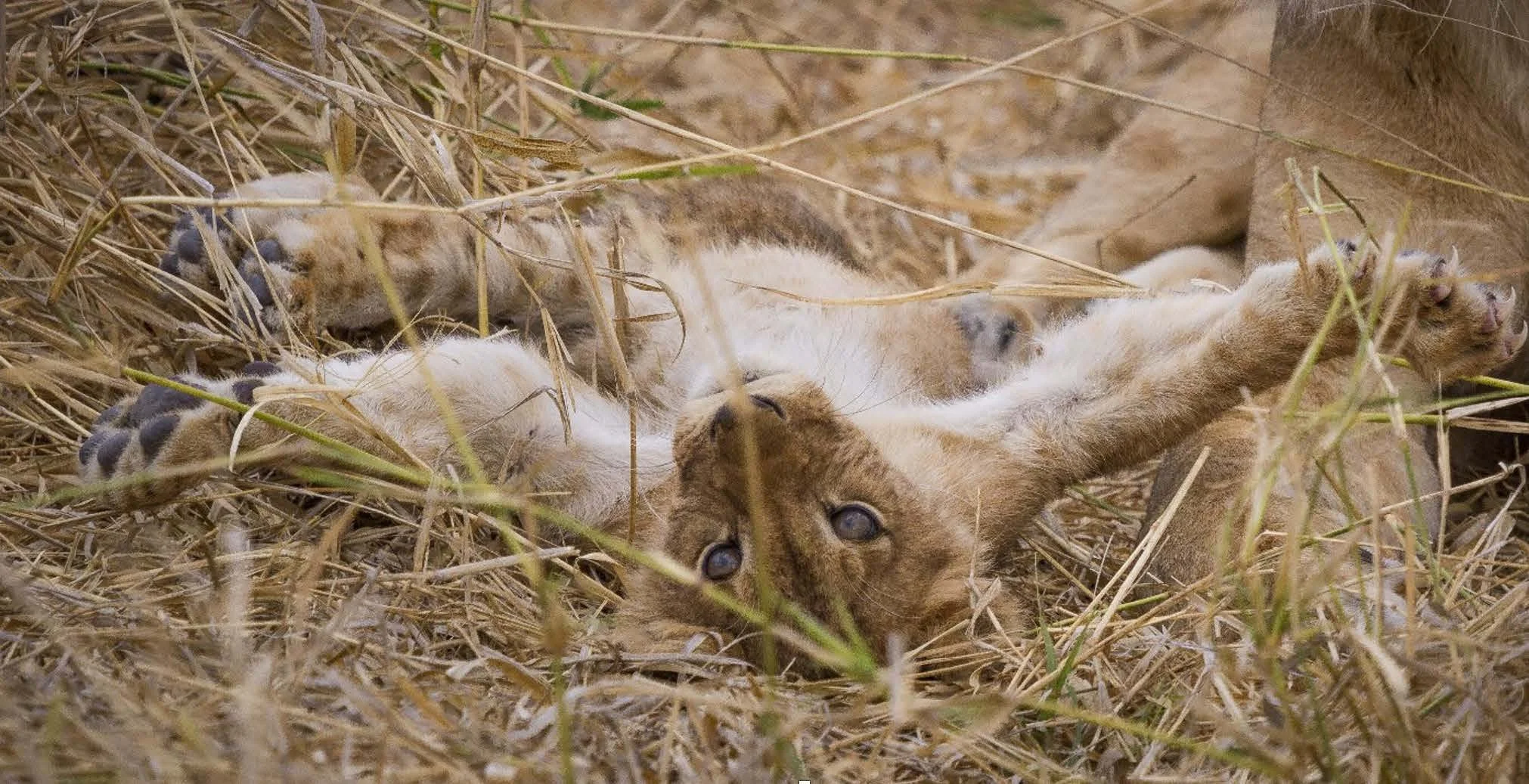
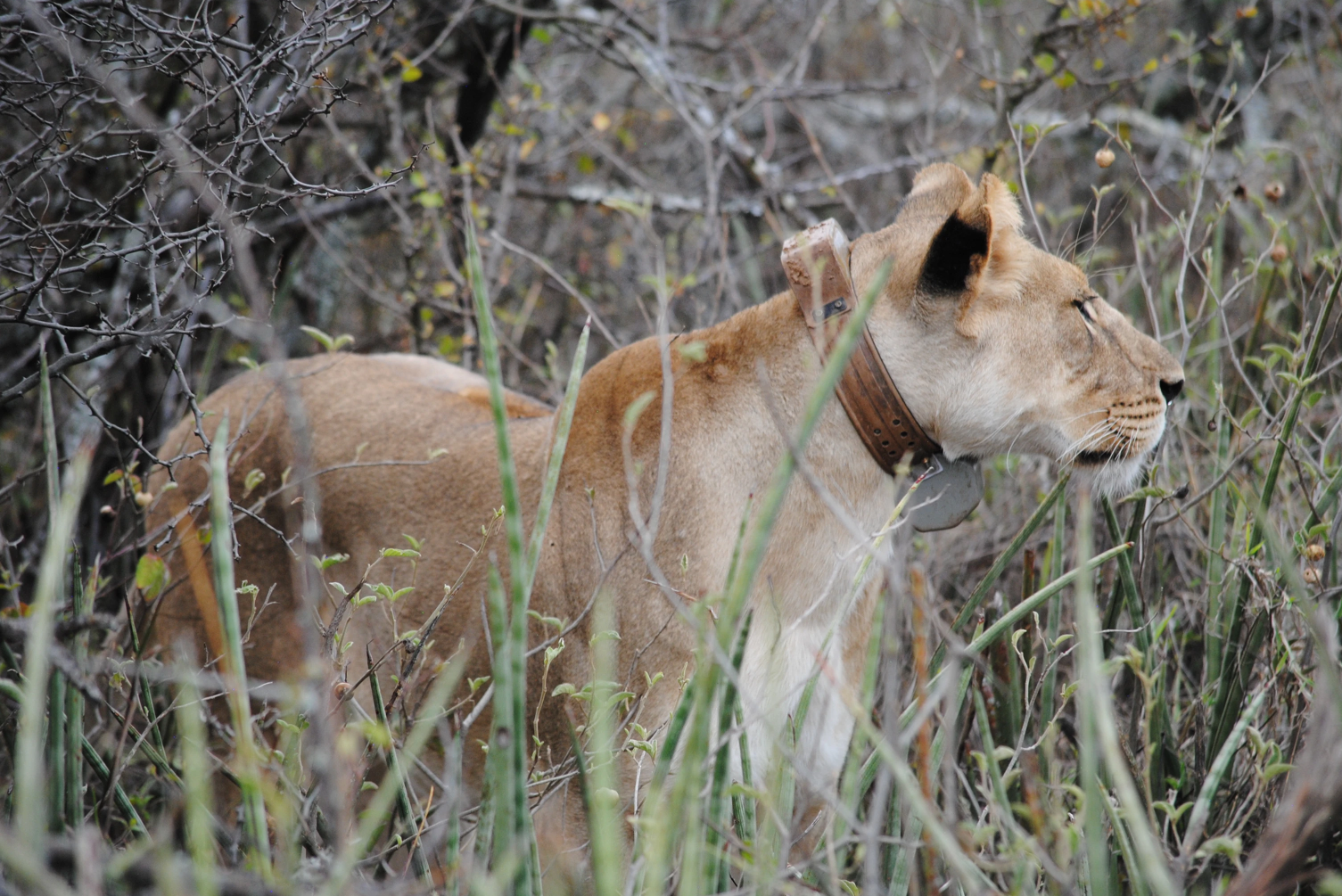
The Lion Bond pioneers outcome-based conservation finance by transforming human-wildlife conflict into coexistence through a pay-for-success impact bond structure. This innovative mechanism directly compensates communities living alongside wildlife for measurable conservation outcomes. Working with pastoralist communities in Tanzania's Selous-Nyerere landscape, the finance solution will build from custodian conservation agreements where communities receive conditional payments for wildlife-friendly behaviours—reinforcing livestock enclosures, maintaining habitat corridors, and reducing retaliatory killings. Payments increase with documented wildlife presence verified through camera-trap monitoring. The $1.5-2M pilot will focus on large carnivore coexistence, with a structured Coexistence Index measuring attitudes, actions, and wildlife occupancy. Upon validation, the model can scale globally across species and landscapes, creating sustainable funding streams that benefit both imperilled wildlife and the communities who share their habitats.
Nature-Positive Landscapes in Malaysia Outcomes-Based Financing
Team: Fatin Zani, Divyaasiny R Rajaghantham, Zurinah Yaakop, Robecca Jumin, Cheryl Cheah, Cynthia Chin, Esther Mawan, and Hui Shim Tan of the World Wide Fund for Nature (WWF) Malaysia

This outcomes-based financing (OBF) design project is a critical, transboundary initiative, led by a consortium anchored by WWF-Malaysia and supported by an investment advisor. The program aims to develop a scalable OBF facility and mobilise private capital for restoring Borneo’s ecological corridors as part of a USD100 million vision for enhanced ecological connectivity. The mechanism will channel corporate investment towards measurable climate, biodiversity, and social outcomes. Drawing from WWF’s supply chain transparency work in Kalimantan, it will pilot two outcome payment streams: one from insetting and one based on beyond value chain mitigation. The insetting - Sustainable Supply Chain Outcome Payments will be financed from corporate buyers (e.g. Unilever, HSBC, P&G) via contracts to meet Scope 3 emission and sustainability targets. Funding will support communities and concession holders to adopt regenerative agriculture and halt deforestation. Payments will be linked to verified GHG reductions and improved farmer livelihoods. The beyond value chain mitigation (BVCM) outcome payments will be voluntary initially and potentially compliance and jurisdictional after piloting. These will include carbon and nature credit buyers and be used to fund forest restoration, carbon sequestration, and securing wildlife corridors.
A Nature-Positive, Inclusive Financial Market System for Community-Led Management in Mongolia
Team: Tuguldur Enkhtsetseg, Oyunchimeg Togoodorj, and Ochirmunkh Boldbaatar of The Nature Conservancy Mongolia
Mongolia’s temperate grasslands, covering 80% of the country, are the world’s largest remaining ecosystem of their kind, supporting biodiversity, carbon sequestration and nearly 1 million herders - 30% of the population - who sustain a rare mobile pastoralist culture. Yet, over the last 30 years, 60-70% of these lands have degraded due to unsustainable livestock practices driven in part by subsidies and climate risk. Among herders, livestock serves as a primary savings tool, and most herders face limited alternatives or high-interest loans with poor collateral terms. This project seeks to pilot an approach that would ease these economic pressures by scaling green finance. The program will expand herder-run green credit unions as platforms for nature-positive financial innovation and inclusion, enhancing livelihoods for up to 10,000 herder families, improving grassland management across up to 4.8 million hectares and building resilient communities. The approach is backed by political will and the “Eternal Mongolia” Project Finance for Permanence.
Interested in being a mentor to the CFA Incubator projects?
The CFA is looking for experienced conservation finance professionals to mentor early-stage projects in Round 4 of the CFA Incubator.
Mentors will guide teams on business planning, financial structuring, and implementation, helping turn innovative ideas into real-world impact. Join us to share your expertise, shape the next generation of conservation finance solutions, and connect with a global network of practitioners.
Many thanks to our technical and financial partners:




The CFA Incubator is supported through financing from Milkywire's Nature Transformation Fund in collaboration with Klarna.

Questions?
Email questions or partnership inquiries to incubator@cfalliance.org.