
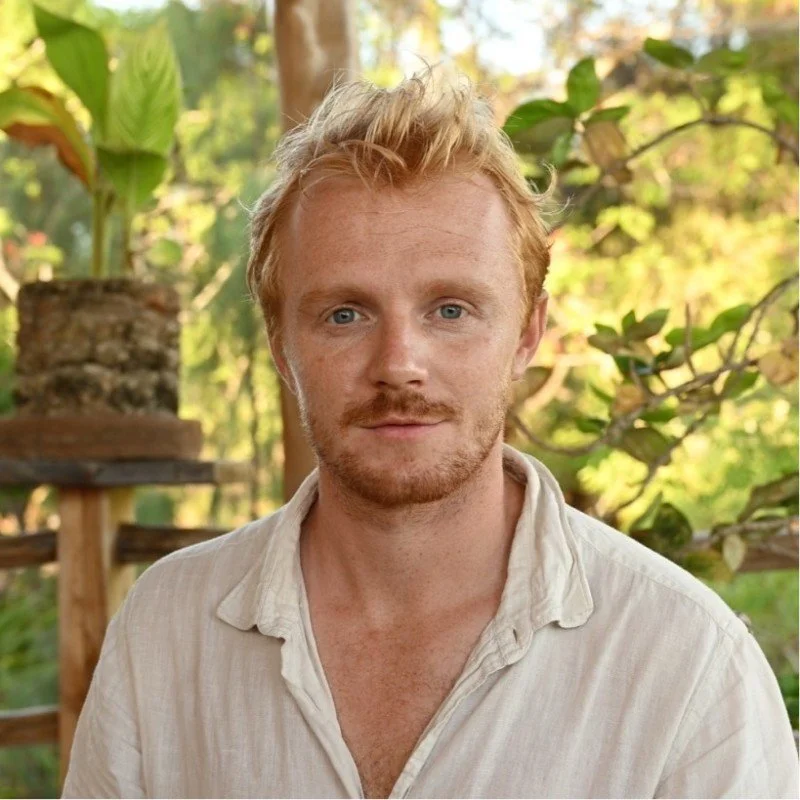
By Harrison Carter
Lion Impact Bond
In this story, Harrison Carter from Lion Impact Bond reflects on developing a human-wildlife coexistence bond across landscapes in Tanzania and Kenya. Drawing on conversations with conservation practitioners, investors and finance experts during New York Climate Week, Harrison explores how conservation can be framed not only around protecting wildlife, but also around reducing risks and strengthening landscape resilience. The story examines how the value generated by healthy, functioning landscapes could help build a stronger financial case for investing in coexistence and the communities that make it possible.
I travelled to New York for Climate Week as part of the Conservation Finance Alliance Incubator, where I presented our work developing a human–wildlife coexistence bond across landscapes in Tanzania and Kenya. The trip provided an opportunity not only to showcase the project, but also to test our thinking with people working across conservation, finance and investment, and to better understand where coexistence fits within the rapidly evolving nature finance landscape.
One of the most useful aspects of the CFA nature finance event, which we were invited to present at, and Climate Week more broadly, was the convergence of finance and conservation expertise in almost every room. Curious questions and cross-disciplinary perspectives helped break down silos and opened up new pathways for meaningful collaboration.
That was particularly valuable for our emerging family of coexistence impact bonds. Conversations throughout the week helped us better understand what is and is not feasible from an investment perspective, where the limits of different financial structures lie, and which organisations or investors may be able to help take the work one step further. It was equally useful to see other projects seeking investment in adjacent areas of nature finance: understanding how they frame value, structure risk and communicate impact gave us plenty to take back into our own work.
One takeaway, however, stood out above the rest.
Conservationists have long struggled with a relatively simple question: what is the value proposition? Why should somebody sitting in New York, London or Zurich finance the protection of a species or landscape thousands of kilometres away?
Increasingly, I think the answer lies in risk.
Recent years have made the economic consequences of instability increasingly difficult to ignore. Climate shocks, disrupted supply chains, food insecurity, land degradation and political instability are not isolated environmental problems; they translate into risks for governments, businesses, investors and communities. In that context, conservation starts to look less like a charitable add-on and more like part of the infrastructure required to maintain resilient landscapes and economies.
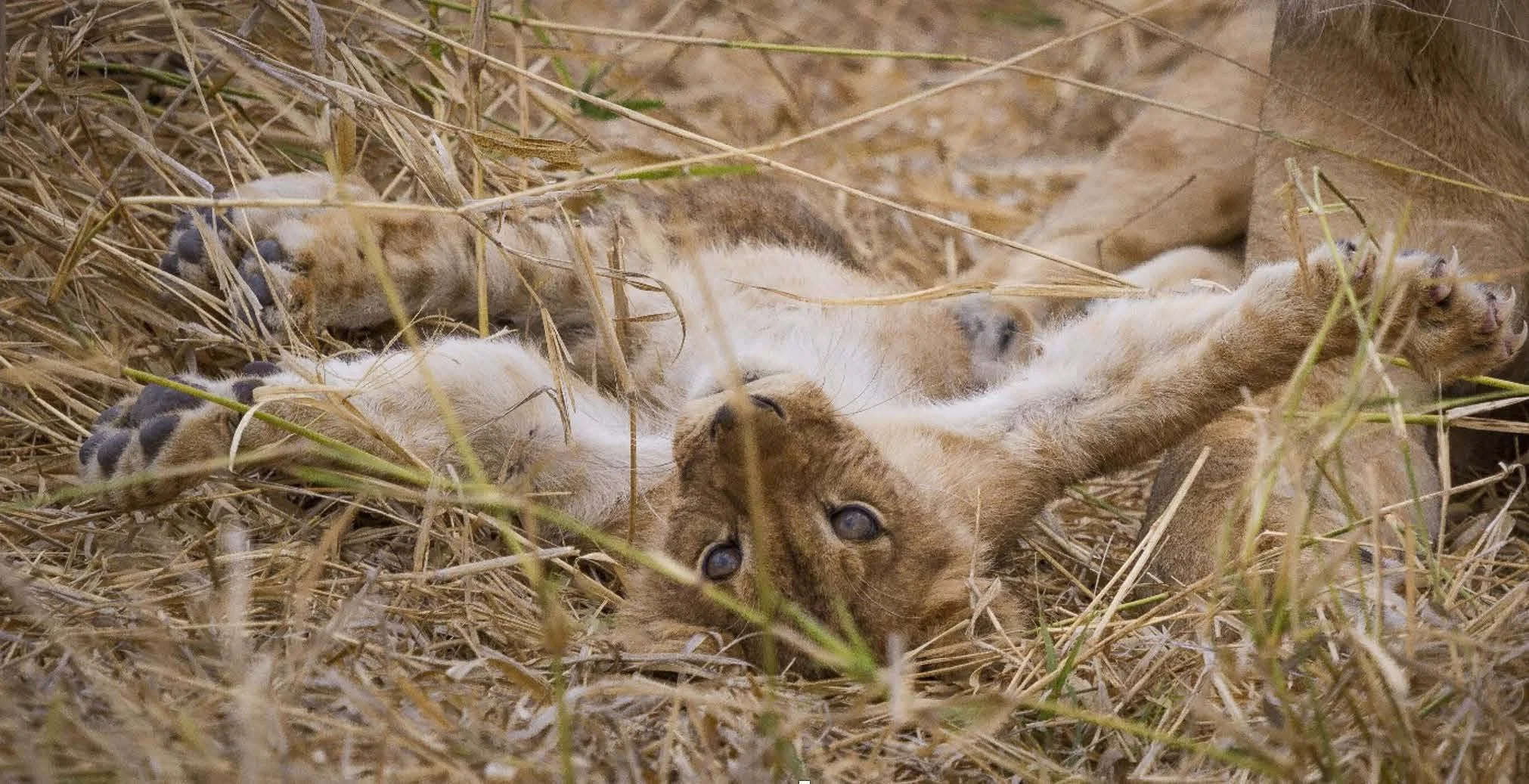
That creates an interesting proposition for our work on lions.
Lions are often framed primarily through charisma or extinction risk. Both matter, but they tell only part of the story. Large carnivores occupy landscapes in which questions of land use, livestock management, community incentives, tourism, habitat connectivity and governance all intersect. Successfully maintaining lions in these landscapes therefore requires many of the same conditions that underpin a functioning and resilient landscape more broadly.
Seen through that lens, the lion becomes more than the outcome we are trying to conserve. It can become an indicator, and potentially a focal point, for investment in landscape stability and governance.
That shift matters for nature finance. Locally, living alongside large carnivores can impose very real costs on communities. Internationally, however, the systems required to sustain wildlife and coexistence can generate forms of value that financial centres understand: reduced risk, stronger institutions, more resilient livelihoods and landscapes that remain productive and ecologically functional.
Climate Week gave me a much clearer view of how we might translate that value. The opportunity is not to make lions artificially “investable”, or to attach a financial product to conservation for its own sake. It is to understand the wider risks that effective coexistence helps address, identify who benefits when those risks are reduced, and then design financing mechanisms that allow some of that value to flow back into the landscapes and communities responsible for delivering it.
For me, that is a much more compelling proposition than charisma alone, and one that gives us a clearer direction as we continue developing the coexistence bond beyond the CFA Incubator.