Protected and conserved area finance solution Factsheets
From “Practice guidance for protected and conserved area finance,” this is a series of Factsheets on a range of finance mechanisms pertinent to PCA finance.
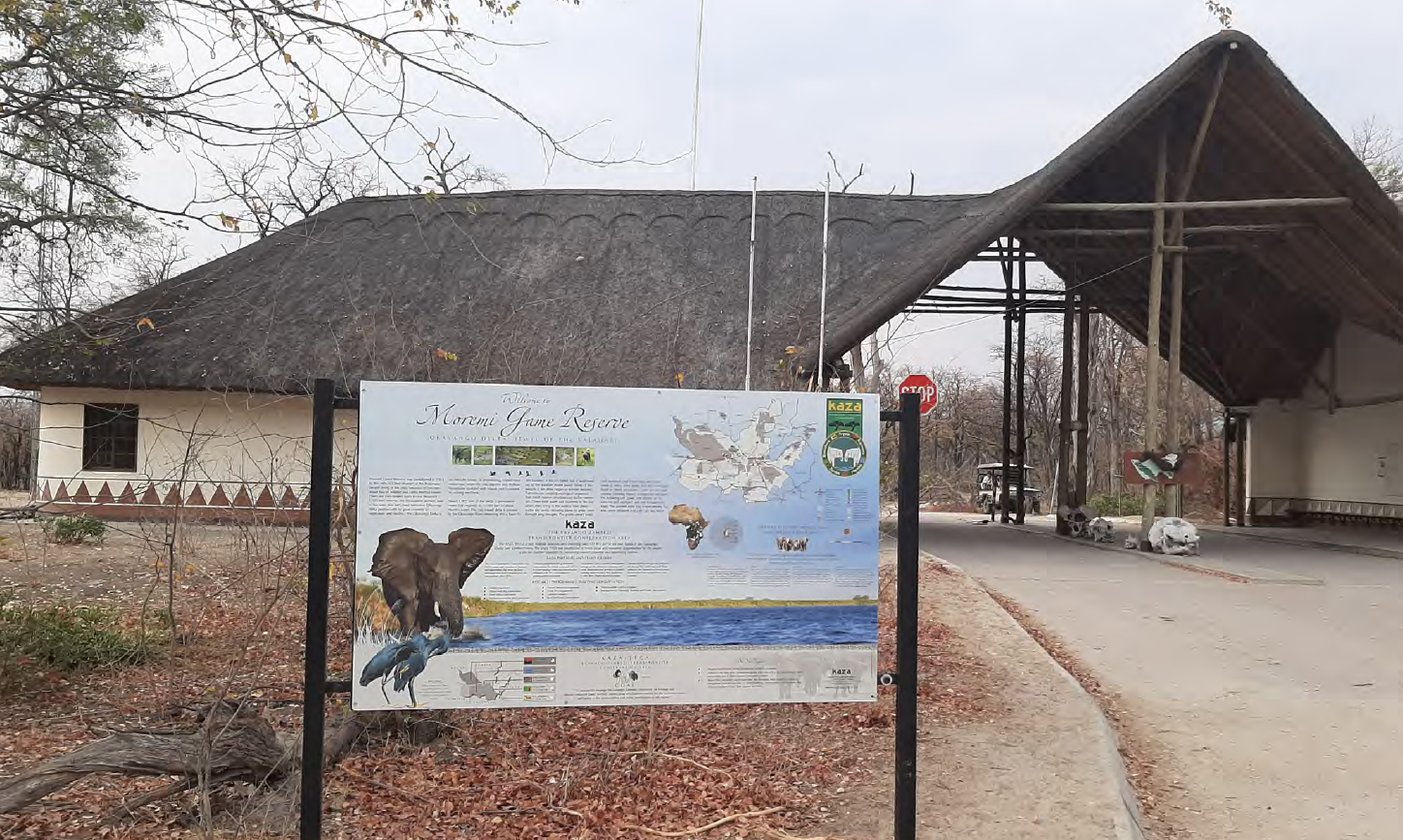
Moremi Game Reserve, Botswana. © Hugo Van Zyl
Entrance fees
SUSTAINABLE FINANCE FACTSHEET #1
Charges levied for access to protected and conserved areas (PCAs); one of the most widely implemented site-based revenue strategies.
Hugo Van Zyl
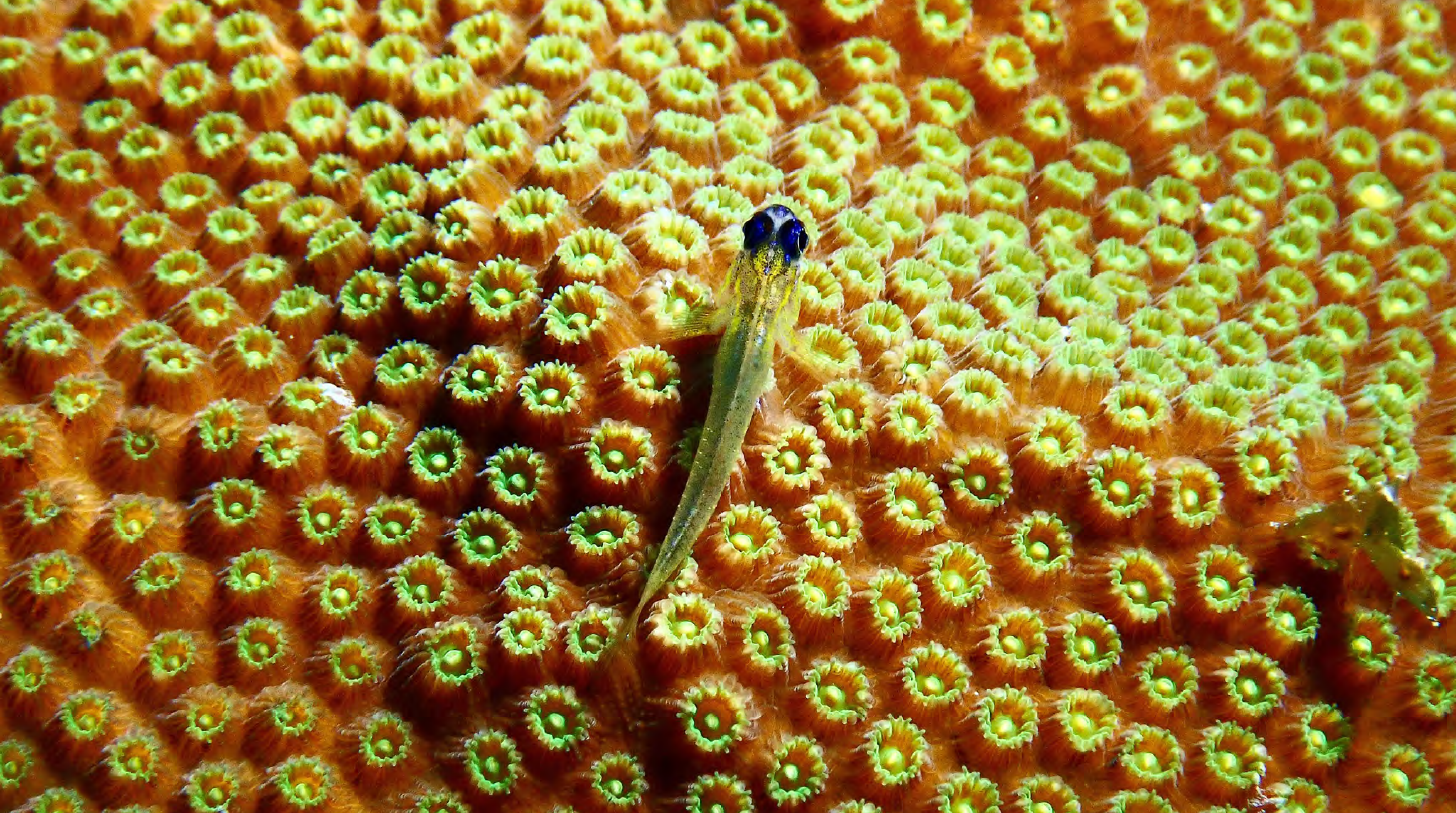
© David Meyers
Tourism concessions
SUSTAINABLE FINANCE FACTSHEET #2
The right to use land or other property for a specified purpose, granted by a government, company, or other controlling body.
Dr Sue Snyman
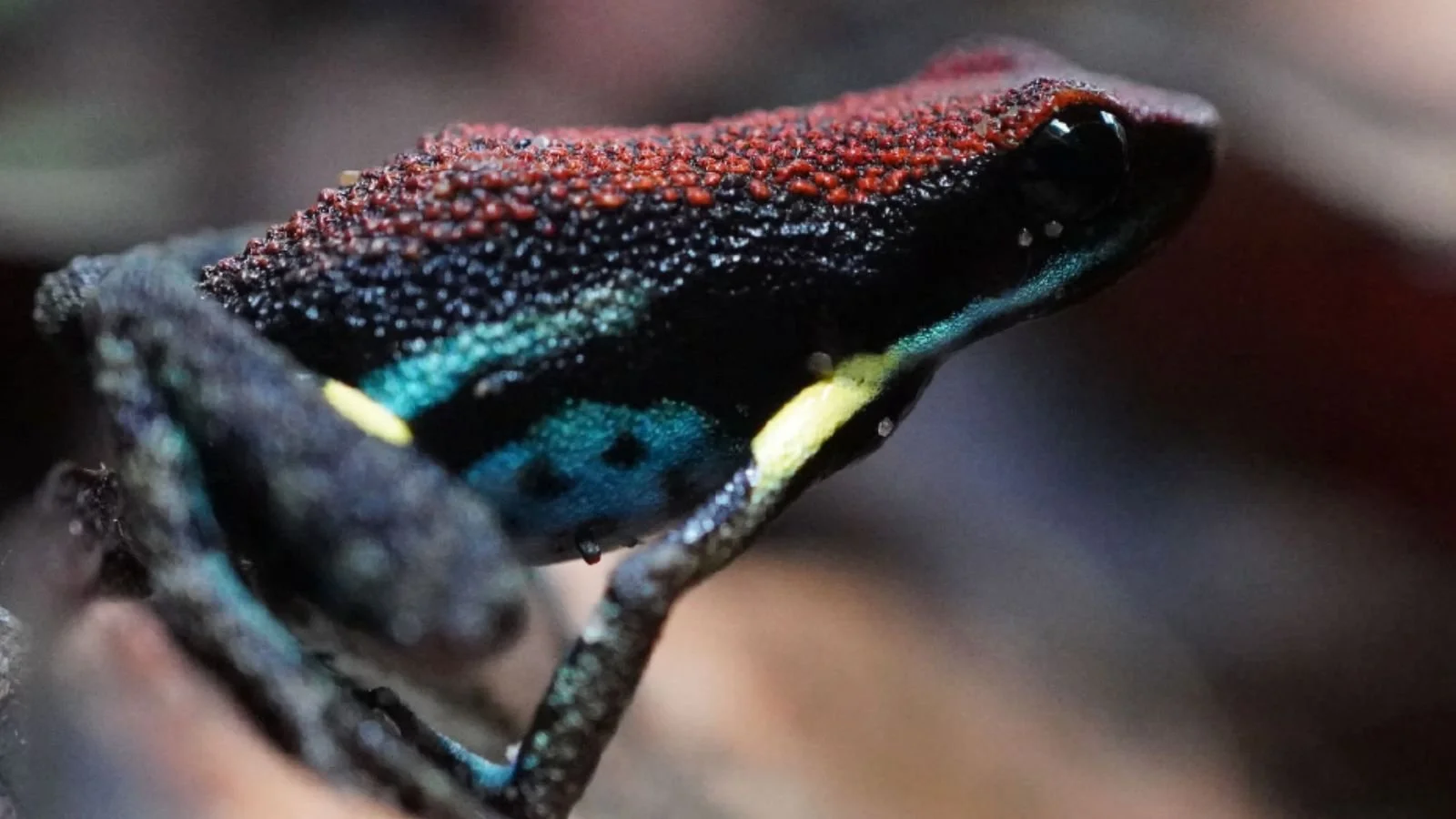
© David Meyers
Debt conversion
SUSTAINABLE FINANCE FACTSHEET #3
Conversion of sovereign debt that simultaneously reduces a country’s debt burden or interest rate and allocates finance for conservation.
Camila Monteiro, Andreas Hansen, Ximena Ecvar-Fadul, Slav Gatchev
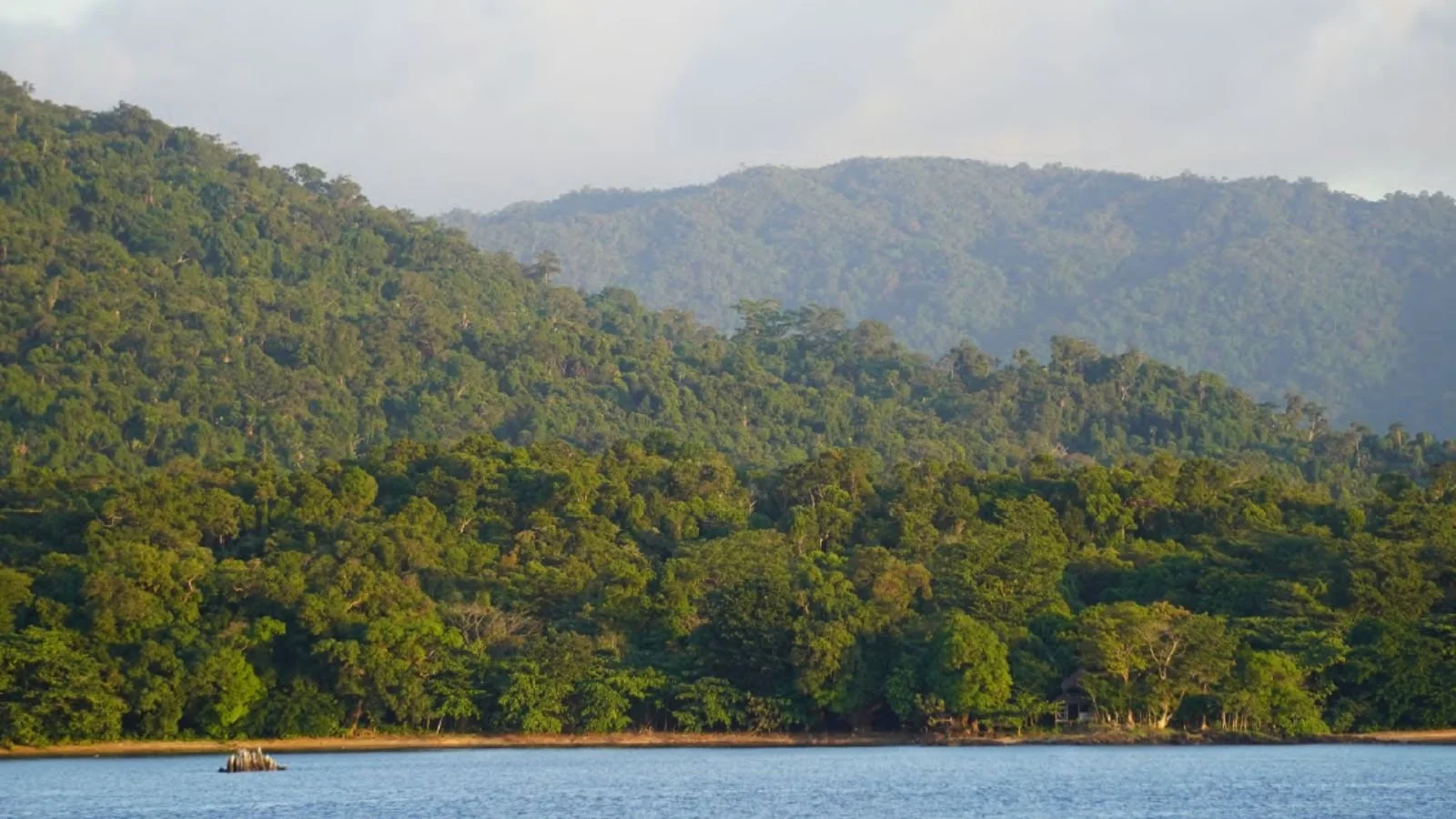
© David Meyers
Collaborative management partnerships
SUSTAINABLE FINANCE FACTSHEET #4
A PCA authority enters a contract with a partner (private or NGO) and devolves certain PCA management responsibilities to the partner.
Kathleen H. Fitzgerald
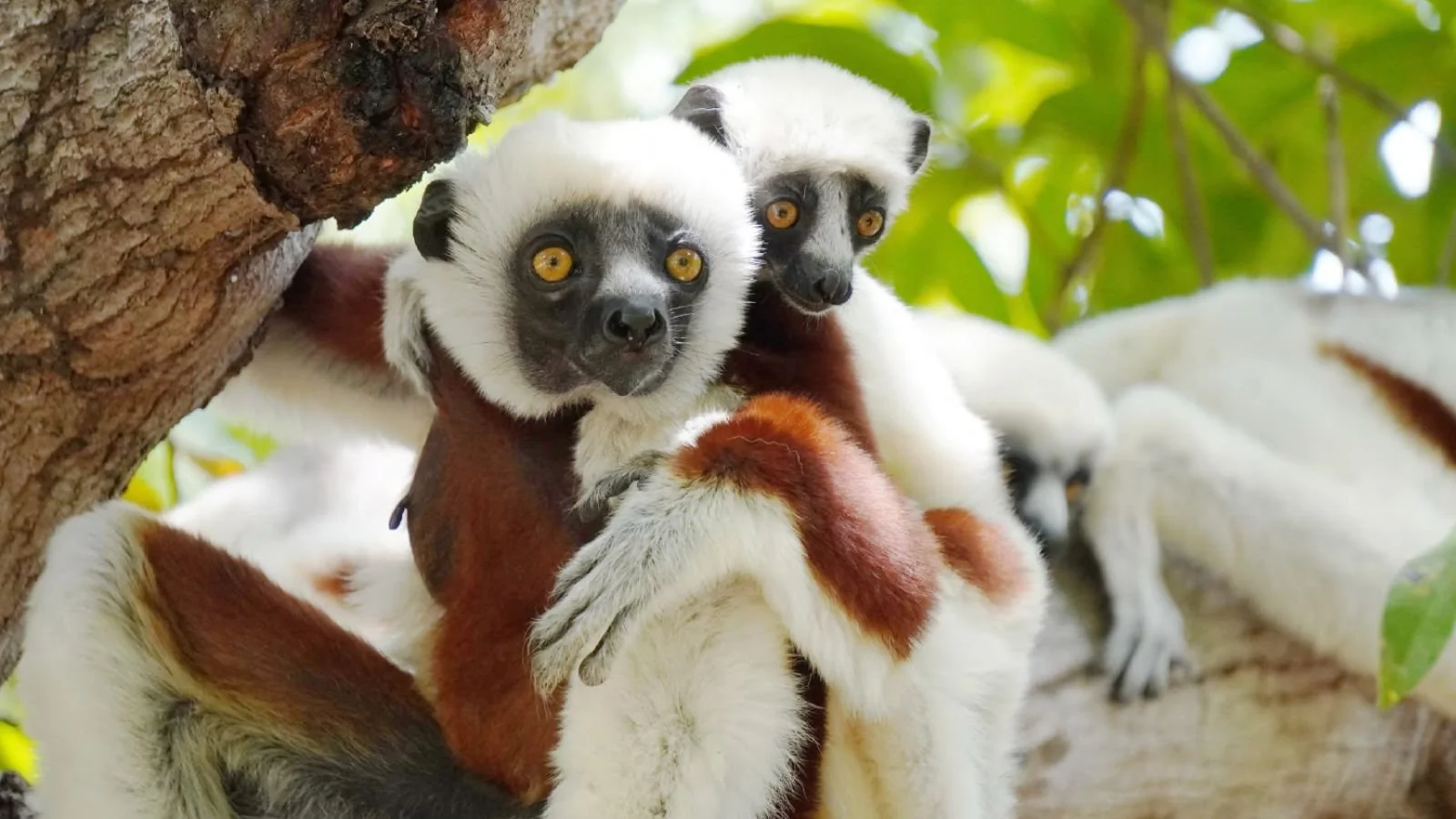
© David Meyers
Conservation trust funds (CTF)
SUSTAINABLE FINANCE FACTSHEET #5
Private, legally independent institutions that provide sustainable financing for biodiversity conservation.
Camila Monteiro
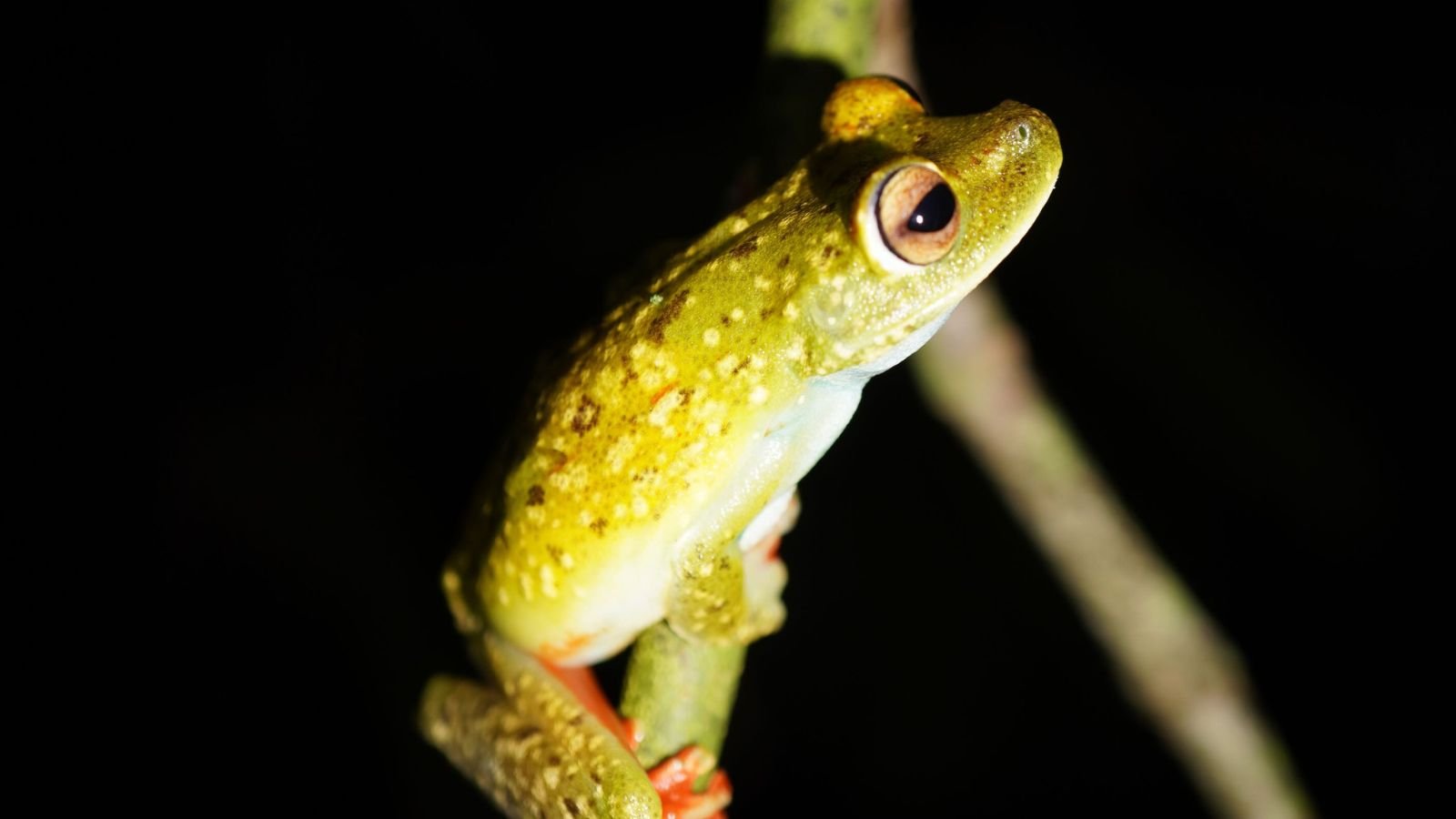
Tree frog, Costa Rica. © David Meyers
Payment for ecosystem services (PES)
SUSTAINABLE FINANCE FACTSHEET #6
Creation of a market-based approach where users pay providers for ecosystem services benefits received.
Mitali Sharma

Rock Creek Park, District of Columbia, USA. © David Meyers
Project finance for permanence
SUSTAINABLE FINANCE FACTSHEET #7
A financial model that brings together governments, Indigenous peoples and local communities, funders and other partners to secure longterm conservation.
Kathleen H. Fitzgerald

Constance Lemuria, Seychelles. © David Meyers
Biodiversity offsets
SUSTAINABLE FINANCE FACTSHEET #8
Compensation for significant adverse biodiversity impacts; offsets are designed to achieve measurable conservation outcomes.
John J. Bohorquez

Treetop Walk, Nature Park Schwarzwald Mitte/Nord, Germany. © David Meyers
Biodiversity credits
SUSTAINABLE FINANCE FACTSHEET #9
Conservation actions with measurable positive biodiversity impacts are verified and ‘credited’ such that credits can be sold, and the buyer can claim positive impacts.
Mitali Sharma and David Meyers
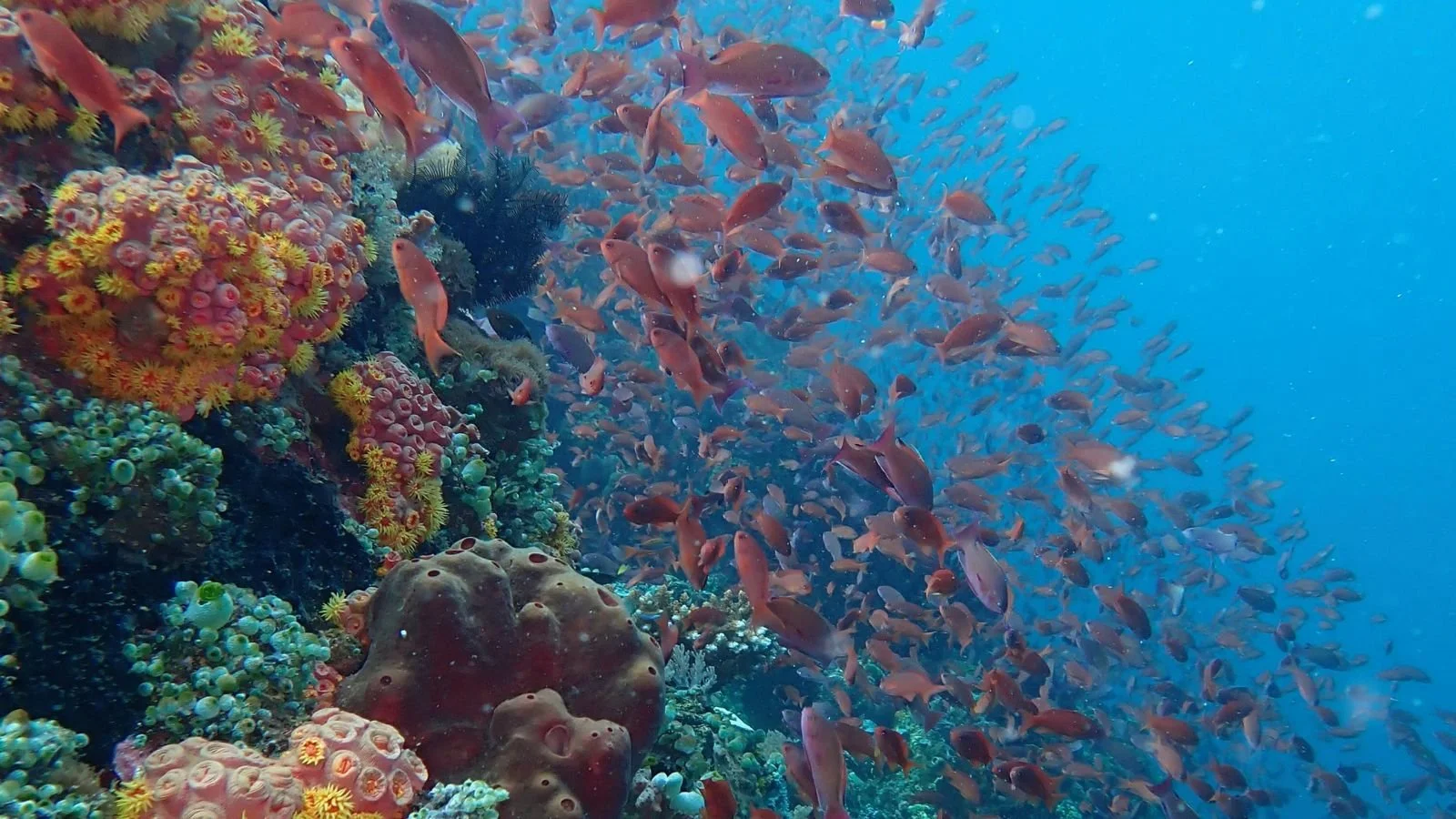
Coral reef, Verde Island, Philippines. © David Meyers
Impact investing
SUSTAINABLE FINANCE FACTSHEET #10
Investments that generate social and environmental impact alongside financial returns, often through blended finance.
Mitali Sharma
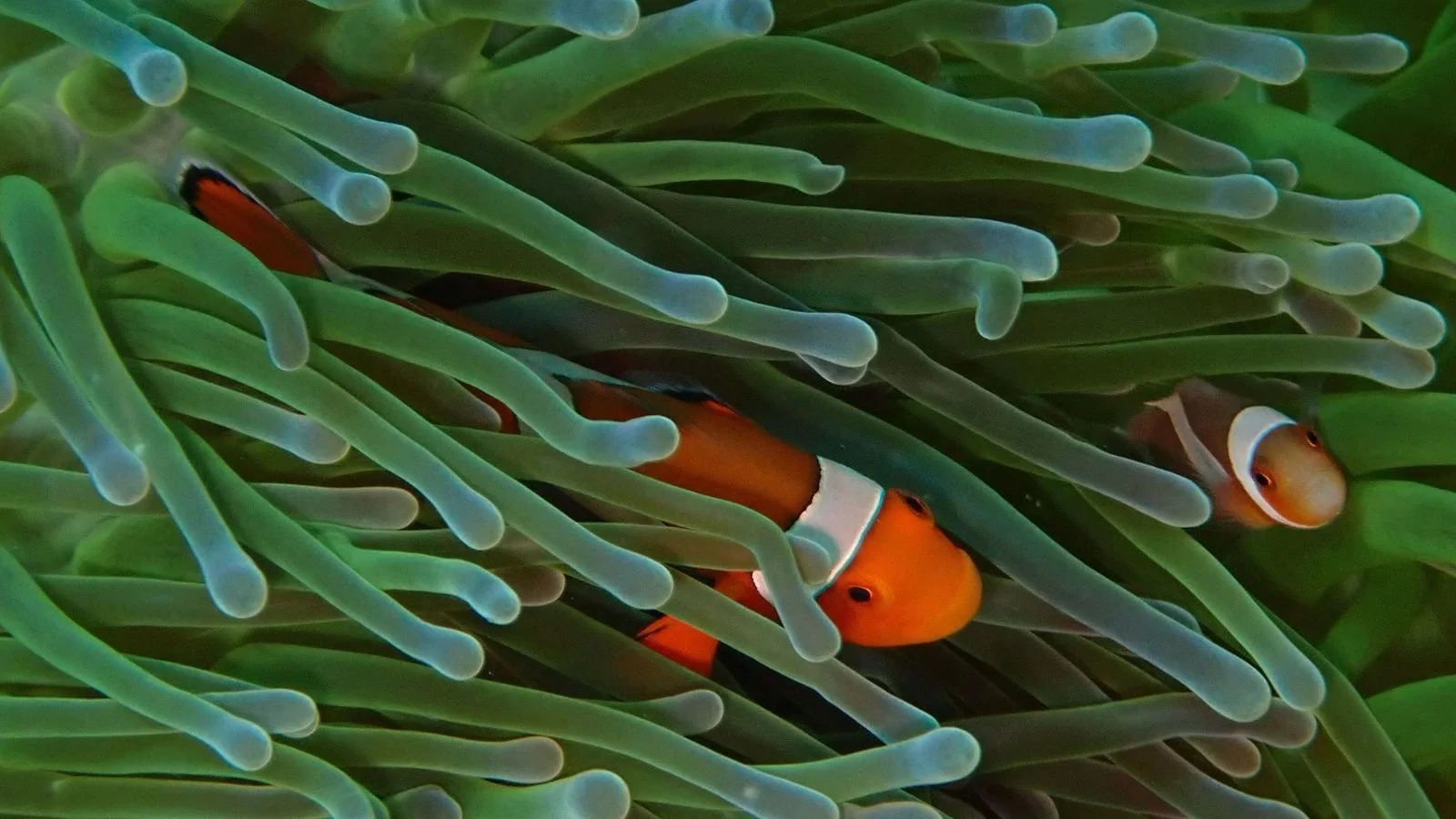
Clown fish, Bali, Indonesia. © David Meyers
Sustainability certification
SUSTAINABLE FINANCE FACTSHEET #11
The use of standards for production or trade, along with monitoring and labelling processes, to recognise and incentivise products that meet specific environmental and social criteria.
Mitali Sharma
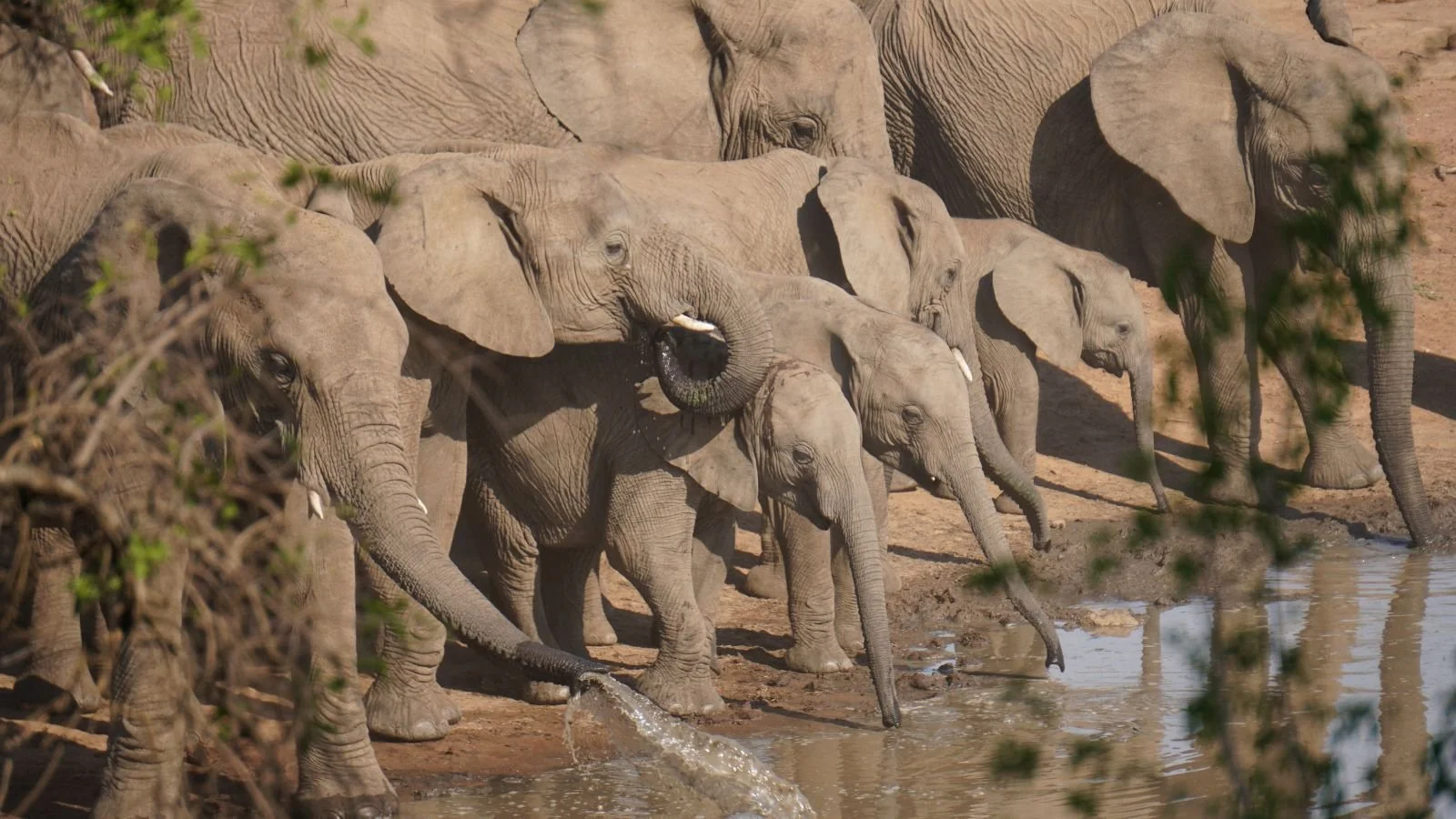
Pilanesberg National Park, South Africa © David Meyers
Human–wildlife conflict insurance
SUSTAINABLE FINANCE FACTSHEET #12
The use of insurance products and innovative finance to address human-wildlife conflict impacts.
Karla Martinez Toral, Jessica Smith, Olivia Wilson-Holt and Paul Steele
Parametric insurance
SUSTAINABLE FINANCE FACTSHEET #13
Parametric insurance pays out according to predefined parameters and does not require an estimate of the actual losses, enabling rapid recovery of damaged ecosystems.
Jessica Smith, Karla Martinez Toral and Rhea Kochar
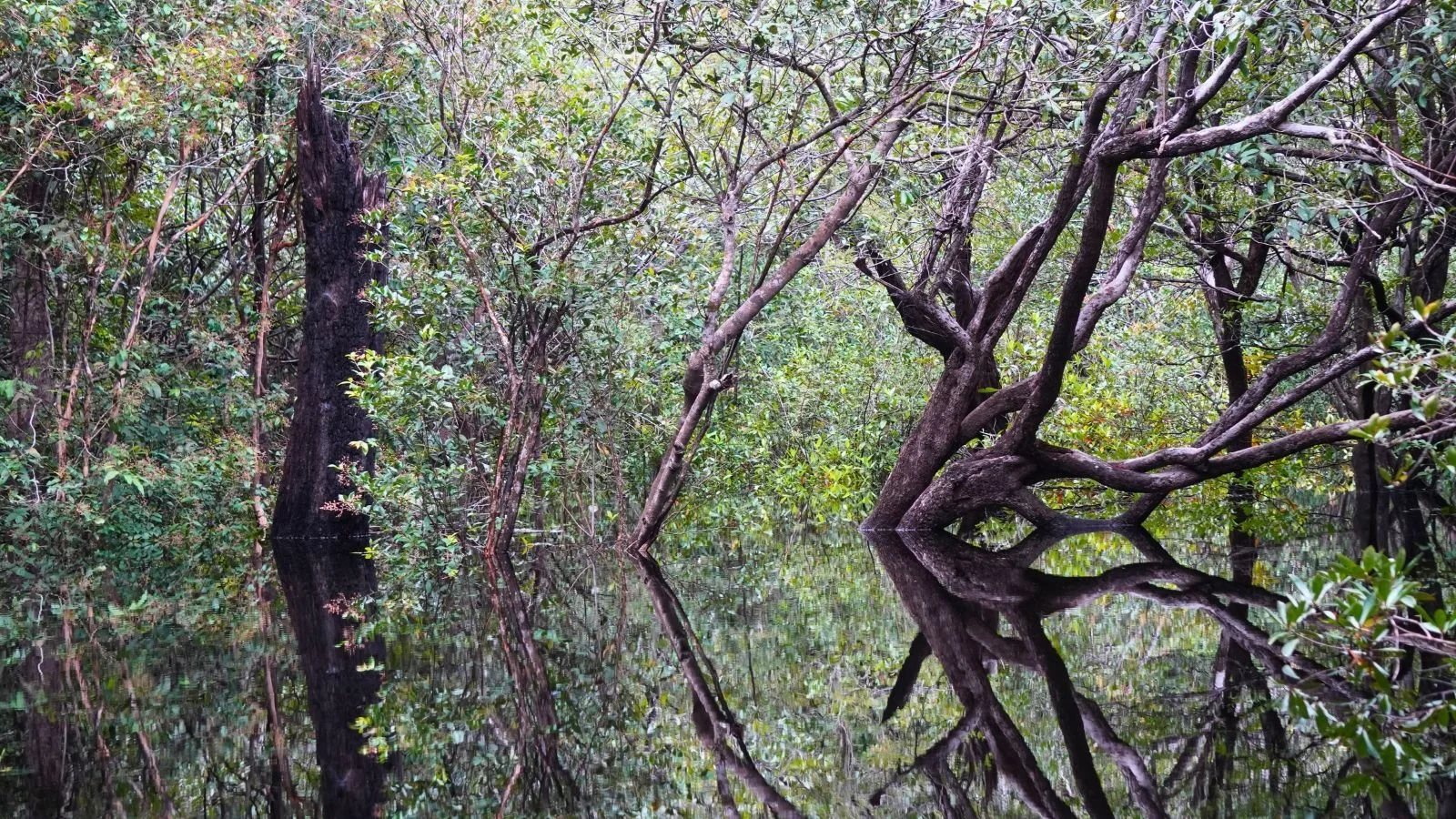
Flooded forest, Rio Negro, Amazonas, Brazil. © David Meyers
Climate finance for nature
SUSTAINABLE FINANCE FACTSHEET #14
Finance mechanisms designed for climate mitigation and adaptation that can be used for nature finance.
Mitali Sharma
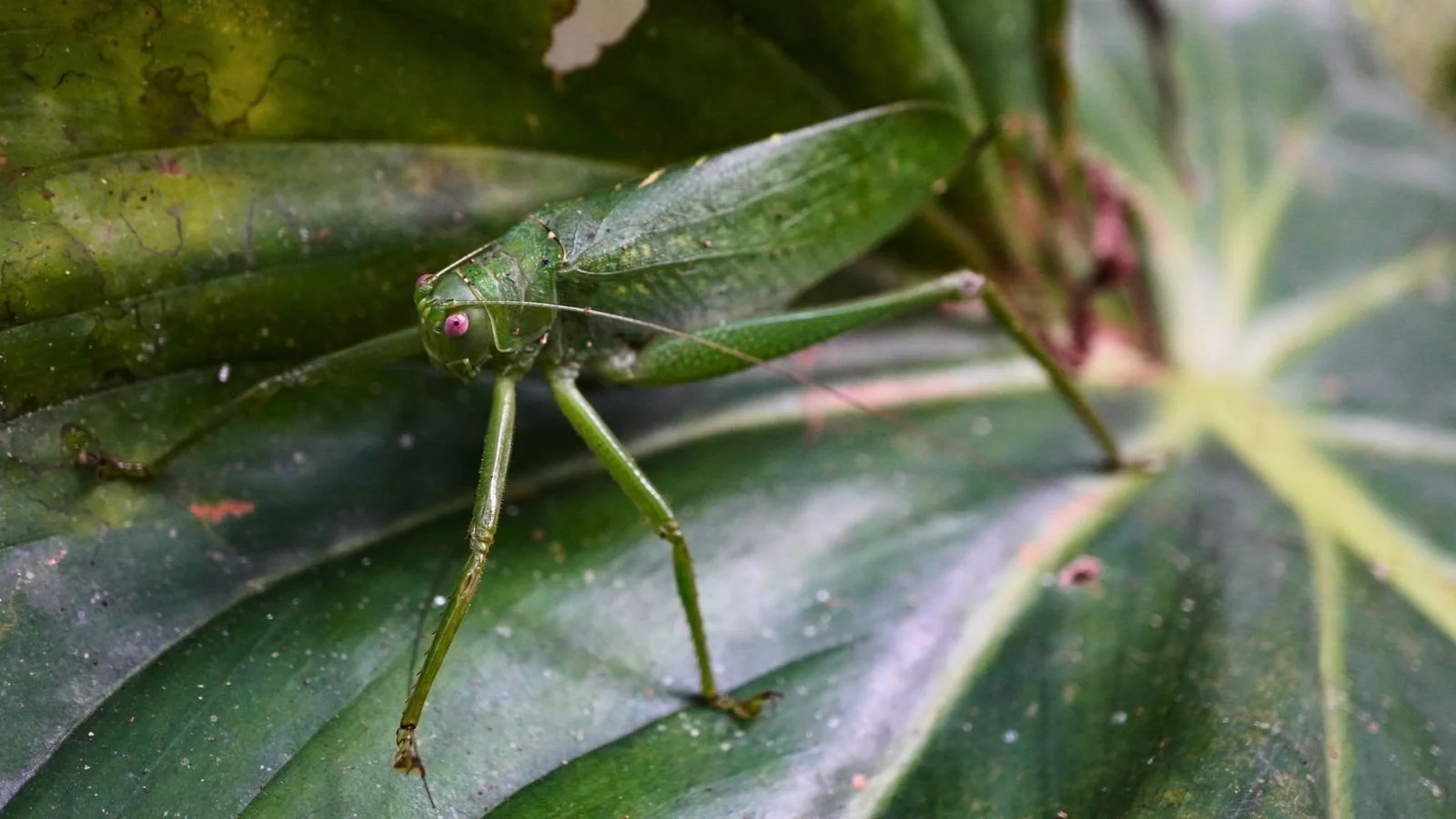
Katydid, Rio Napo, Ecuador. © David Meyers
Loans and other traditional debt
SUSTAINABLE FINANCE FACTSHEET #15
Return-based finance mechanisms useful to finance investments in government, civil society, and business in support of PCAs.
Mitali Sharma
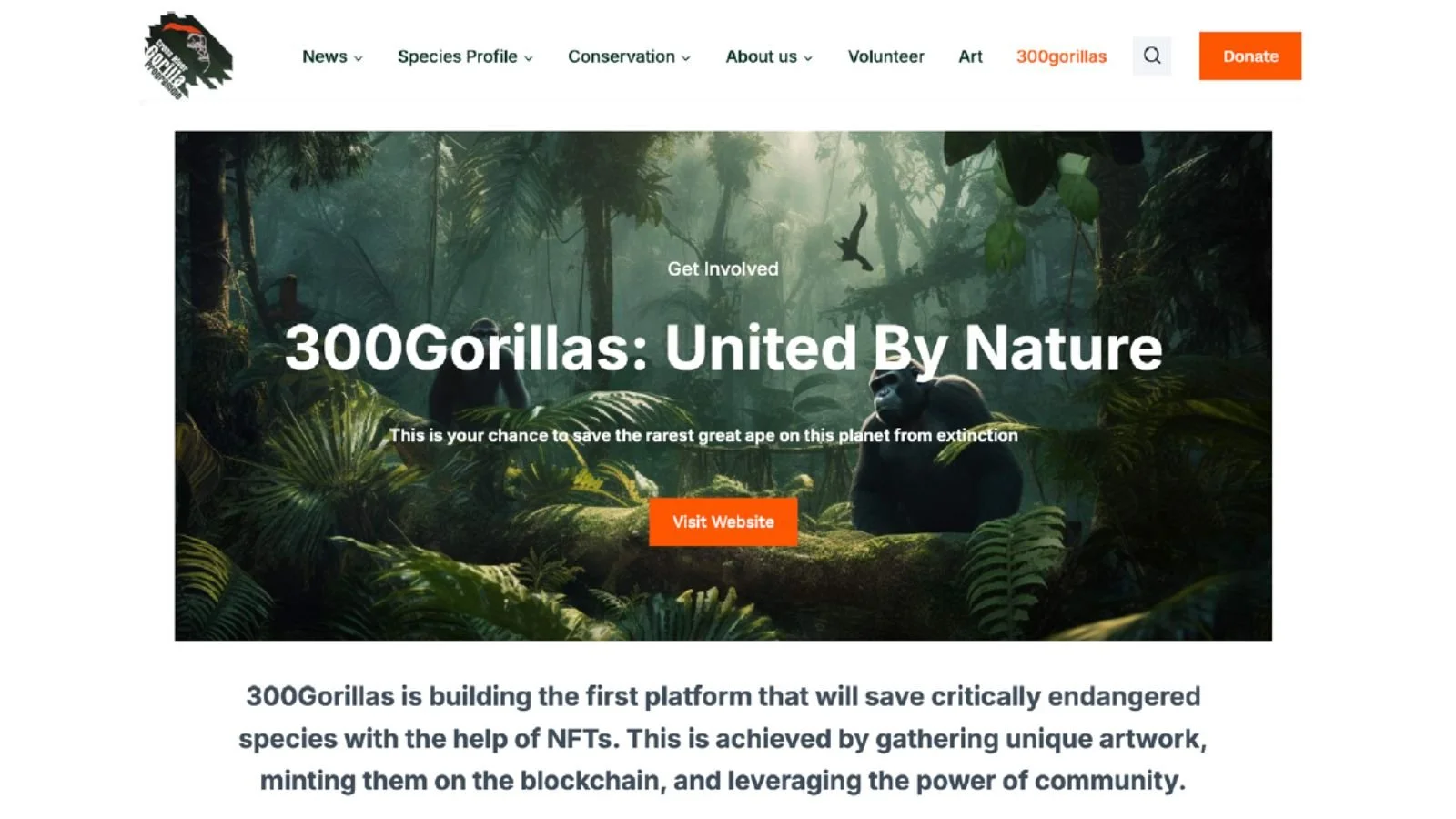
Non-fungible tokens (NFTs) and the Metaverse
SUSTAINABLE FINANCE FACTSHEET #16
Innovative use of Web3 to enhance finance for nature. Cases: National Parks NFTs, and 300 Gorillas NFT.
Marianne Haahr